Traffic stops are one of the most common interactions between civilians and law enforcement. On the surface, they seem routine—an officer signals a driver, a conversation follows, and the situation gets resolved. But in reality, these moments carry a high level of tension, uncertainty, and risk for both sides. When things go wrong, even slightly, public concern rises quickly. That’s exactly why many traffic stop incidents often lead to calls for police body cameras.
This blog explores the deeper reasons behind this demand. We’ll break down how body cameras influence transparency, accountability, evidence collection, and public trust. More importantly, we’ll examine why these devices have become such a central topic in discussions about modern policing.
Why Do Traffic Stop Incidents Often Lead to Calls for Police Body Cameras
Traffic stops involve split-second decisions, unclear communication, and emotional reactions. When an incident escalates—whether due to misunderstanding, perceived misconduct, or excessive force—there is often conflicting information about what actually happened.
This is where the demand for police body cameras comes in. People want objective evidence.
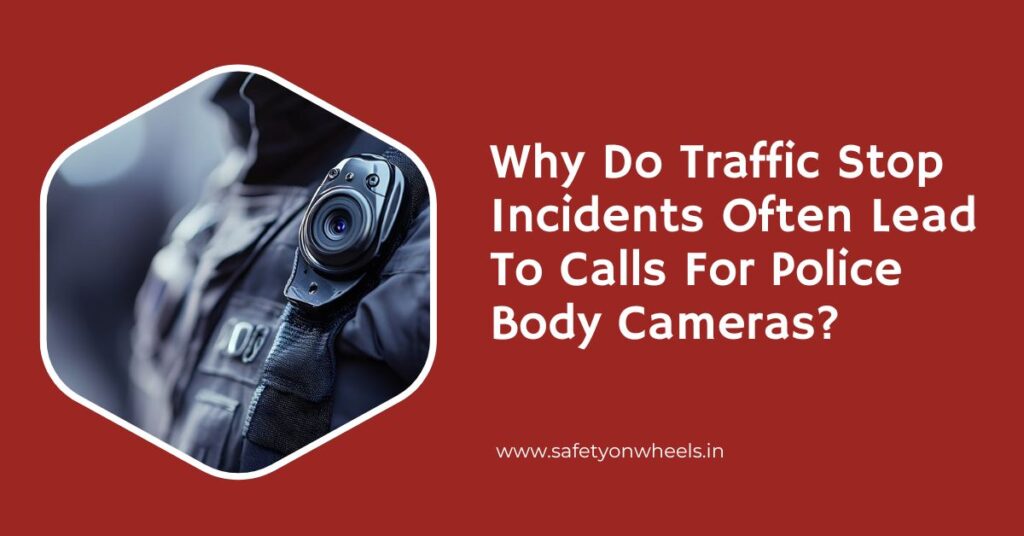
Body cameras provide a real-time visual and audio record of events. Instead of relying solely on statements from drivers or officers, investigators and the public can review footage. This reduces speculation and helps clarify the truth.
In many high-profile cases, the absence of video evidence has led to public frustration. Without clear proof, trust erodes. Body cameras offer a solution by documenting interactions as they unfold, making them a critical tool in modern law enforcement discussions.
Also read: Why Should You Place Your Hands On The Steering Wheel While Officer Is Approaching?
The Nature of Traffic Stops: Why They Can Escalate Quickly
Traffic stops may appear simple, but they are inherently unpredictable. Officers approach vehicles without knowing who is inside or what their intentions might be. Drivers, on the other hand, may feel anxious or defensive, especially if they believe they’ve been stopped unfairly.
This combination creates a volatile environment.
A small misunderstanding—like a sudden movement or a delayed response—can escalate tension. For example, a driver reaching for documents without explanation might trigger concern. Similarly, unclear instructions from an officer can confuse the driver.
Because these interactions happen in real time, there is little room for error. When something goes wrong, both parties may recall events differently. That’s why objective documentation becomes essential.
How Body Cameras Improve Transparency
Transparency is one of the strongest arguments for police body cameras. When interactions are recorded, there is less room for doubt about what occurred.
Clear Documentation of Events
Body cameras capture both audio and video, providing a detailed account of the interaction. This helps answer key questions:
- What did the officer say?
- How did the driver respond?
- Were procedures followed correctly?
Instead of relying on memory, which can be unreliable under stress, footage offers a factual timeline.
Reducing False Claims
Not every complaint against an officer is valid, and not every officer action is beyond question. Body cameras help protect both sides by verifying claims. Studies have shown that departments using body cameras often see a reduction in complaints against officers, as well as fewer use-of-force incidents.
This doesn’t mean problems disappear entirely, but it does mean that disputes can be resolved more fairly.
Accountability for Both Officers and Drivers
Accountability works both ways. Body cameras don’t just monitor officers—they also capture driver behavior.
Encouraging Professional Conduct
When officers know their actions are being recorded, they are more likely to follow protocols carefully. This includes:
- Using appropriate language
- Following proper procedures
- Avoiding unnecessary escalation
The same applies to drivers. Knowing that their behavior is recorded can encourage them to remain calm and cooperative.
Supporting Internal Investigations
When a complaint arises, body camera footage becomes a key piece of evidence. It allows supervisors to review the situation objectively and make informed decisions.
Without footage, investigations often rely on conflicting testimonies. With footage, the process becomes clearer and more efficient.
Building Public Trust Through Evidence
Public trust in law enforcement depends heavily on transparency and fairness. Traffic stop incidents, especially those that gain media attention, can significantly impact public perception.
Body cameras help bridge the gap between perception and reality.
Providing Verifiable Proof
When footage is available, it can confirm whether an officer acted appropriately or not. This reduces speculation and helps the public understand what actually happened.
Addressing Community Concerns
Communities often call for body cameras after controversial incidents. These calls are not just about technology—they reflect a desire for accountability and fairness.
By adopting body cameras, law enforcement agencies show a willingness to address these concerns and improve practices.
The Role of Technology in Modern Policing
Body cameras are part of a broader shift toward technology-driven policing. They represent an effort to adapt to changing expectations and improve operational standards.
Integration with Other Systems
Modern body cameras can integrate with evidence management systems, making it easier to store, review, and share footage. This improves efficiency and ensures that important data is not lost.
Data-Driven Insights
Footage can also be used for training purposes. By reviewing real interactions, departments can identify areas for improvement and develop better training programs.
This turns everyday traffic stops into learning opportunities, ultimately improving overall safety.
Limitations and Challenges of Body Cameras
While body cameras offer many benefits, they are not a perfect solution. It’s important to understand their limitations.
Privacy Concerns
Recording interactions raises questions about privacy for both officers and civilians. Policies must balance transparency with the need to protect sensitive information.
Technical Issues
Cameras can malfunction, run out of battery, or fail to capture certain angles. This means they cannot guarantee a complete record in every situation.
Interpretation of Footage
Video evidence can still be interpreted differently depending on context. A camera shows what happened, but it may not fully capture intent or perception.
Despite these challenges, most experts agree that the benefits outweigh the drawbacks when proper policies are in place.
Why Public Demand Continues to Grow
The demand for police body cameras has increased significantly over the past decade. Several factors contribute to this trend.
Increased Awareness
With the rise of social media, incidents spread quickly. People expect transparency and immediate access to information.
High-Profile Cases
Controversial traffic stop incidents often highlight the need for clear evidence. When footage is missing, public pressure for body cameras grows stronger.
Changing Expectations
Modern society expects accountability from institutions. Body cameras align with these expectations by providing a tool for oversight and transparency.
Best Practices for Effective Use of Body Cameras
To maximize the benefits of body cameras, law enforcement agencies must implement clear guidelines.
Consistent Usage
Officers should activate cameras during all traffic stops to ensure consistent documentation.
Proper Training
Training programs should teach officers how to use cameras effectively, including when to activate them and how to handle footage.
Clear Policies
Agencies need transparent policies regarding data storage, access, and privacy. This builds public confidence in how the technology is used.
Also read: What Types Of Jobs Would Require A Vocational Degree?
Final Thoughts
Traffic stops are everyday events, but they carry significant importance for both drivers and law enforcement. When incidents occur, the lack of clear evidence can lead to confusion, conflict, and loss of trust. That’s why traffic stop incidents often lead to calls for police body cameras.
These devices provide transparency, improve accountability, and help build trust between communities and law enforcement. While they are not without challenges, their role in modern policing continues to grow.
At the end of the day, body cameras are not just about recording events—they are about creating a system where truth is easier to find and fairness is easier to achieve. And in situations as unpredictable as traffic stops, that makes a meaningful difference.