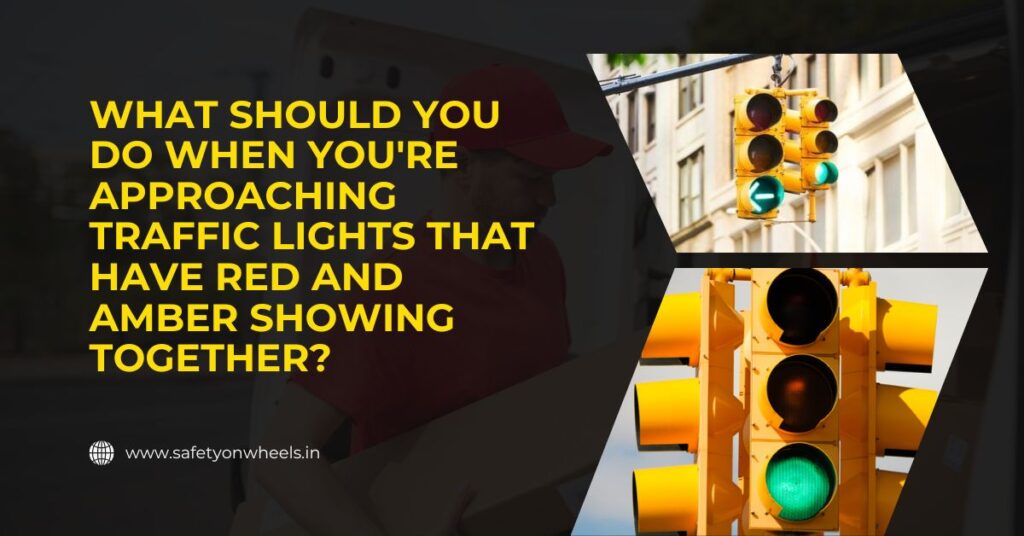
Traffic lights are among the most familiar road signals drivers encounter every day. They manage traffic flow, reduce collisions at intersections, and provide clear instructions to both drivers and pedestrians. While most drivers easily understand the meanings of red, amber, and green lights, some combinations can cause confusion—especially for new drivers.
One example is when red and amber lights appear together. Many drivers notice this combination but aren’t entirely sure what action they should take.
This leads to a common question in driving theory tests and road safety discussions: what should you do when you’re approaching traffic lights that have red and amber showing together?
The correct answer is simple: you should prepare to move but remain stationary until the green light appears. The red and amber lights together signal that the traffic light is about to turn green.
Understanding this signal sequence helps drivers react appropriately and avoid dangerous or illegal movements at intersections. In this guide, we’ll explain how traffic lights work, what the red-and-amber combination means, and how drivers should respond safely in real-world driving situations.
Understanding the Standard Traffic Light Sequence
Before examining the red-and-amber combination, it’s helpful to understand the typical order of traffic light signals.
Most modern traffic lights follow a predictable sequence designed to ensure smooth transitions between stopping and moving traffic.
The Standard Traffic Light Cycle
In many road systems, the signal sequence follows this pattern:
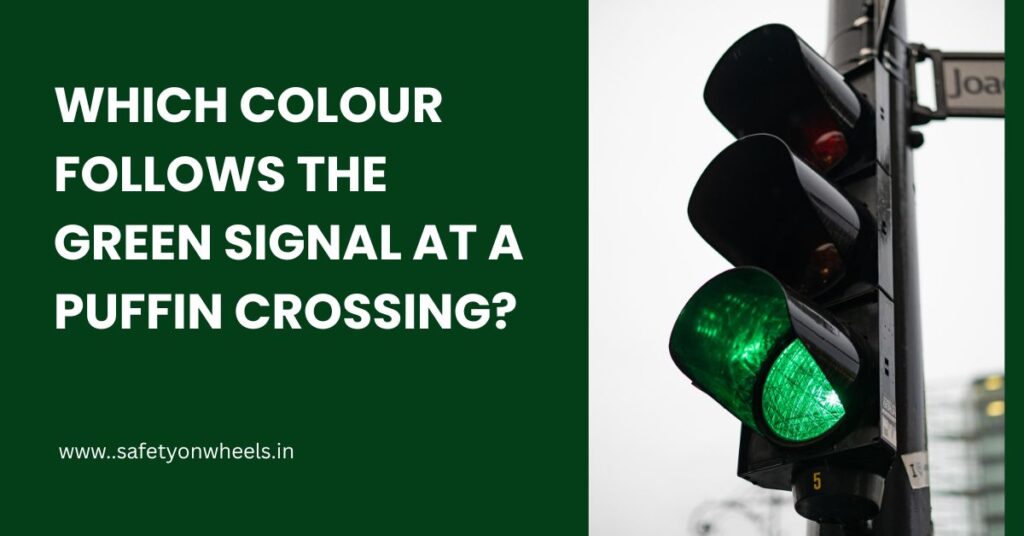
- Green – Traffic may proceed if the road ahead is clear.
- Amber – Drivers must prepare to stop unless stopping would be unsafe.
- Red – Vehicles must stop completely.
- Red and Amber Together – Drivers prepare to move but must remain stopped.
- Green Again – Traffic may move forward.
This sequence prevents sudden changes that could surprise drivers or cause accidents.
Why Traffic Lights Use Transitional Signals?
Transitions between signals provide drivers with time to react safely.
For example:
- The amber light warns drivers that a red signal is about to appear.
- The red-and-amber combination warns that the green light is coming next.
Without these transitions, drivers might face abrupt changes that increase collision risk.
Also read: What Part Of The Car Does The Law Require You To Keep In Good Condition?
What Should You Do When You’re Approaching Traffic Lights That Have Red and Amber Showing Together?
If you’re wondering what should you do when you’re approaching traffic lights that have red and amber showing together, the correct response is to stay stopped and prepare to move when the green light appears.
Drivers must not move yet, even though the signal indicates that traffic will soon start flowing.
What the Red and Amber Lights Mean
The red-and-amber signal functions as a warning phase between stopping and moving.
It tells drivers:
- The red signal is about to change.
- Traffic will soon be allowed to proceed.
- Drivers should prepare their vehicle to move safely.
However, the key rule remains simple: do not move until the green light appears.
Why This Rule Matters
Moving during the red-and-amber phase could cause accidents.
Other road users—including pedestrians and vehicles crossing the intersection—may still be completing their movements.
Waiting for the green signal ensures everyone has enough time to clear the intersection safely.
Why the Red and Amber Combination Exists?
At first glance, red and amber lights together might seem unnecessary. However, this signal serves an important safety purpose.
Preventing Sudden Acceleration
Without a transition signal, drivers might react slowly when the light turns green.
The red-and-amber phase gives drivers a brief moment to:
- Select the correct gear
- Check mirrors
- Prepare to accelerate
This preparation improves traffic flow once the green light appears.
Improving Traffic Efficiency
When drivers anticipate the green signal, traffic starts moving more smoothly.
This reduces delays at busy intersections and prevents congestion.
Enhancing Driver Awareness
The red-and-amber phase encourages drivers to refocus on the road ahead.
Even if drivers momentarily relax while waiting at a red light, the new signal reminds them that traffic will soon move again.
How Drivers Should Approach Traffic Lights Safely?
Knowing the signal meaning is important, but drivers should also follow safe practices when approaching any traffic light.
Reduce Speed When Approaching Intersections
Drivers should always approach traffic lights at a controlled speed.
This gives them time to respond if the signal changes unexpectedly.
Observe Other Road Users
Even when the signal turns green, drivers should check that the intersection is clear.
Other drivers may attempt to pass through a late amber light, and pedestrians may still be crossing.
Stay Alert to Pedestrians and Cyclists
Intersections often include pedestrian crossings or bicycle lanes.
Drivers should confirm that these areas are clear before moving forward.
Common Mistakes Drivers Make at Red-and-Amber Signals
Despite their simplicity, traffic signals can still lead to mistakes.
Understanding these common errors helps drivers avoid unsafe situations.
Moving Too Early
Some drivers begin moving as soon as the red-and-amber lights appear.
This behavior breaks traffic rules and increases accident risk.
Drivers must always wait for the green light.
Accelerating Aggressively
When drivers anticipate the green signal, they may accelerate too quickly.
Sudden acceleration can surprise other road users and reduce reaction time.
Ignoring Pedestrians
Pedestrians often finish crossing the road just before the green light appears.
Drivers must confirm that the crossing area is clear before moving.
Traffic Light Rules That Every Driver Should Remember
Traffic signals may appear straightforward, but they involve several important rules.
Always Obey Red Lights
A red light means stop completely at the stop line.
Drivers must remain stationary until the signal changes.
Amber Means Prepare to Stop
If the amber light appears while approaching an intersection, drivers should stop unless stopping safely becomes impossible.
Green Does Not Always Mean Go Immediately
Even with a green light, drivers should check that the intersection is clear before moving.
Other road users may still be clearing the crossing.
The Role of Traffic Lights in Modern Road Safety
Traffic lights play a critical role in urban transportation systems.
Reducing Intersection Collisions
Intersections often involve vehicles traveling in multiple directions.
Traffic signals organize movement so that drivers take turns safely.
Supporting Pedestrian Mobility
Traffic lights allow pedestrians to cross busy roads safely.
Signal timing ensures they receive enough time to reach the other side.
Managing Traffic Flow
Cities rely on traffic lights to control congestion.
Advanced systems now adjust signal timing based on traffic volume and time of day.
Tips for Learner Drivers Preparing for Theory Tests
Many driving theory exams include questions about traffic signal meanings.
To prepare effectively, learner drivers should focus on understanding the logic behind signal sequences.
Study Signal Transitions
Knowing what happens between red, amber, and green helps drivers interpret signals correctly.
Observe Real Traffic Lights
Watching traffic lights during everyday driving helps reinforce learning.
Real-world observation often improves memory better than textbooks alone.
Practice Scenario-Based Questions
Many theory tests use practical driving scenarios.
Understanding how signals affect real driving decisions improves test performance.
Also read: Why is It Important to Use Slide Master in Powerpoint?
Final Thoughts
Understanding what should you do when you’re approaching traffic lights that have red and amber showing together is an essential part of safe and responsible driving. This signal indicates that the lights are about to turn green, but drivers must remain stationary until the green signal appears. The red-and-amber phase provides a brief moment for drivers to prepare to move while ensuring the intersection clears safely. By respecting this rule, observing other road users, and waiting for the proper signal, drivers help maintain smooth traffic flow and reduce the risk of accidents at intersections. In the end, small details like these play a big role in creating safer roads for everyone.