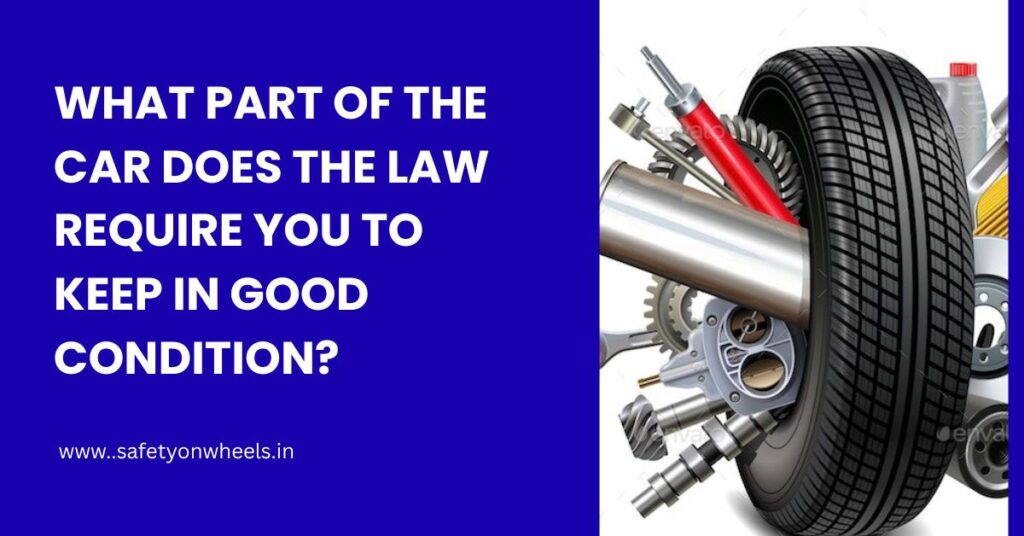
Owning or driving a car comes with more responsibilities than simply filling the fuel tank and hitting the road. Every driver has a legal duty to ensure their vehicle is safe and roadworthy. Governments around the world enforce laws that require drivers to maintain their vehicles properly, not only to protect themselves but also to keep other road users safe.
One common question in driving theory tests and road safety discussions is: what part of the car does the law require you to keep in good condition?
The correct answer is all parts of the vehicle that affect safety and roadworthiness. This includes essential components such as brakes, tyres, lights, steering, mirrors, and windscreen wipers. In short, the law requires drivers to keep their entire vehicle in a condition that does not endanger anyone on the road.
Understanding this requirement is essential for both new and experienced drivers. In this guide, we’ll explore why vehicle maintenance is a legal responsibility, which car components require regular attention, and how proper maintenance contributes to safer roads.
Why Vehicle Maintenance Is a Legal Requirement
Driving laws exist to reduce accidents and improve road safety. Vehicle maintenance plays a crucial role in this effort.
Preventing Mechanical Failures
Mechanical failures can cause serious accidents. Brake problems, worn tyres, or faulty lights may lead to dangerous situations that drivers cannot control.
Regular maintenance reduces the likelihood of these issues.
Protecting Other Road Users
A poorly maintained car does not only put the driver at risk. Pedestrians, cyclists, and other motorists may suffer the consequences of a mechanical failure.
By keeping vehicles in good condition, drivers contribute to a safer road environment for everyone.
Legal Consequences of Neglect
Authorities enforce strict rules regarding vehicle condition.
Drivers who operate unsafe vehicles may face:
- Traffic fines
- Penalty points on their driving license
- Vehicle prohibition notices
- Increased insurance costs
In severe cases, defective vehicles involved in accidents can lead to legal liability.
Also read: Which Colour Follows the Green Signal at a Puffin Crossing?
What Part of the Car Does the Law Require You to Keep in Good Condition?
When asking what part of the car does the law require you to keep in good condition, the most accurate answer is every component that affects safety and roadworthiness.
Traffic laws do not limit this requirement to a single part of the vehicle. Instead, they place responsibility on the driver to ensure the entire vehicle remains safe to operate.
Core Safety Components
Some vehicle parts play a particularly critical role in safety. These components require regular inspection and maintenance.
They include:
- Braking system
- Tyres
- Lights and indicators
- Steering system
- Windscreen and wipers
- Mirrors
- Seat belts
If any of these systems fail, the driver may lose control of the vehicle or fail to communicate with other road users.
Essential Car Components Drivers Must Maintain
Understanding which parts require attention helps drivers maintain roadworthy vehicles.
Brakes
Brakes represent one of the most important safety features in any vehicle.
Drivers rely on them to slow down, stop at intersections, and avoid collisions.
Signs of brake problems may include:
- Unusual noises when braking
- Increased stopping distance
- Vibrations in the brake pedal
Drivers should inspect brakes regularly and seek professional service if issues appear.
Tyres
Tyres maintain contact between the vehicle and the road surface.
Poor tyre condition can lead to reduced traction, longer stopping distances, and an increased risk of skidding.
Drivers should check:
- Tyre pressure
- Tread depth
- Signs of damage or uneven wear
Many countries require minimum tread depth levels to ensure safe grip.
Lights and Indicators
Vehicle lights allow drivers to see the road and help other road users understand a driver’s intentions.
Essential lights include:
- Headlights
- Brake lights
- Turn signals
- Rear lights
- Hazard lights
Faulty lights reduce visibility and may lead to accidents, especially at night or during poor weather.
Steering System
The steering system allows drivers to control the vehicle’s direction.
Any malfunction can cause loss of control.
Drivers should pay attention to signs such as:
- Difficulty turning the wheel
- Unusual noises while steering
- Vehicle pulling to one side
Immediate inspection becomes necessary if these issues appear.
Windscreen and Wipers
Clear visibility is essential for safe driving.
A damaged windscreen or worn-out wipers can impair the driver’s ability to see the road.
Drivers should ensure:
- Windscreens remain free from cracks that obstruct vision
- Wipers remove rain effectively
- Washer fluid remains filled
Maintaining these components helps ensure clear visibility in all weather conditions.
The Importance of Regular Vehicle Inspections
Maintaining a safe vehicle requires more than occasional attention.
Drivers should adopt a routine approach to inspections.
Daily Safety Checks
Simple daily checks take only a few minutes but can prevent serious issues.
Drivers should verify:
- Lights function properly
- Tyres appear properly inflated
- Mirrors remain clean and correctly positioned
These quick inspections help detect problems early.
Scheduled Maintenance
Professional servicing ensures that technicians inspect important mechanical systems.
Regular service intervals often include:
- Brake inspections
- Oil changes
- Engine diagnostics
- Fluid checks
Following the manufacturer’s recommended maintenance schedule helps keep vehicles in optimal condition.
How Poor Vehicle Maintenance Causes Accidents?
Neglecting vehicle maintenance can lead to dangerous outcomes.
Brake Failure
Brake failure may prevent drivers from stopping in time during emergencies.
Even a slight delay in braking response can cause collisions.
Tyre Blowouts
Worn or damaged tyres increase the risk of sudden blowouts.
These incidents can cause drivers to lose control of their vehicles, especially at high speeds.
Reduced Visibility
Broken headlights or ineffective wipers make it harder for drivers to see the road.
Poor visibility also prevents other road users from seeing the vehicle clearly.
Practical Tips for Keeping Your Car in Good Condition
Maintaining a vehicle does not require expert mechanical skills. Many simple actions can significantly improve safety.
Follow the Manufacturer’s Maintenance Schedule
Car manufacturers provide recommended service intervals for important systems.
Following these guidelines ensures that components receive attention before problems develop.
Listen for Unusual Sounds
Cars often provide early warning signs of mechanical issues.
Strange noises, vibrations, or performance changes should prompt immediate inspection.
Keep the Vehicle Clean
A clean car allows drivers to notice damage more easily.
Regular washing also prevents corrosion and protects the vehicle’s bodywork.
Check Fluids Regularly
Important fluids include:
- Engine oil
- Brake fluid
- Coolant
- Windshield washer fluid
Maintaining proper fluid levels keeps systems functioning smoothly.
Why Responsible Maintenance Builds Driver Confidence?
Drivers who maintain their vehicles properly enjoy several advantages.
Improved Safety
Reliable vehicles reduce the likelihood of mechanical failures during driving.
Better Fuel Efficiency
Well-maintained engines and properly inflated tyres often improve fuel economy.
Lower Long-Term Costs
Preventative maintenance costs less than major repairs caused by neglected problems.
Peace of Mind
Drivers gain confidence knowing their vehicle remains safe and reliable.
Also read: Explain Why Using Credit to Buy Products and Services Wasn’t Common Before 1920.
Final Thoughts
Understanding what part of the car does the law require you to keep in good condition highlights an important truth about driving: safety depends on the entire vehicle, not just one component. Laws require drivers to maintain all critical systems—including brakes, tyres, lights, steering, and visibility equipment—so that the vehicle remains roadworthy at all times. Regular inspections, timely repairs, and responsible maintenance help prevent accidents and protect everyone who shares the road. By taking vehicle upkeep seriously, drivers not only comply with legal requirements but also contribute to safer, more reliable transportation for themselves and others.