Road signs exist to keep traffic organized, safe, and predictable. While some signs simply provide information, others communicate strict rules that drivers must follow at all times. One of the most important regulatory signs drivers should recognize instantly is the “No Stopping” sign.
Unlike parking restrictions or temporary loading zones, a no-stopping rule is absolute in most situations. When this sign appears, drivers cannot stop their vehicles—even briefly—unless required by traffic conditions or law enforcement.
Many drivers confuse “no stopping” with “no parking” or “no waiting,” but each rule carries a different meaning and level of restriction. Misunderstanding these differences can lead to fines, traffic penalties, or dangerous road situations.
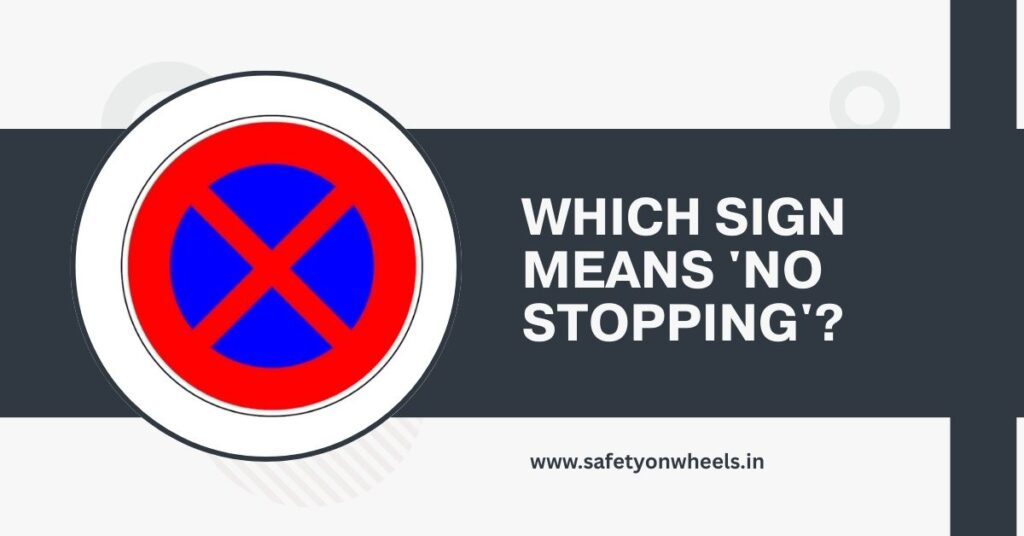
So, which sign means “no stopping”? In most traffic systems, the sign appears as a blue circle with a red border and a red X-shaped cross across the center. This symbol clearly communicates that vehicles must not stop at any time along that section of road.
In this comprehensive blog, we’ll explain what the no-stopping sign looks like, why it exists, where drivers commonly encounter it, and how it differs from other parking-related traffic signs.
Why Traffic Signs Like “No Stopping” Matter?
Before focusing on the specific sign, it’s helpful to understand why traffic authorities place strict stopping restrictions on certain roads.
Stopping a vehicle—even briefly—can disrupt traffic flow and create safety hazards. In busy or sensitive locations, even a short stop might block visibility, delay emergency vehicles, or cause congestion.
Preventing Traffic Obstruction
Urban roads often carry heavy traffic volumes. A single stopped vehicle can create bottlenecks that affect hundreds of other drivers.
“No stopping” zones ensure that vehicles continue moving smoothly through critical areas.
Improving Road Safety
Stopping in the wrong location can block sightlines at intersections or pedestrian crossings. When drivers cannot see approaching traffic clearly, the risk of accidents increases significantly.
Supporting Emergency Access
Emergency vehicles need clear road access. Many no-stopping zones exist near hospitals, fire stations, or busy junctions where quick movement matters.
Because of these safety concerns, authorities enforce no-stopping rules strictly.
Also read: What Does This Curved Arrow Road Marking Mean?
Which Sign Means “No Stopping”?
If you’re wondering which sign means “no stopping”, the answer lies in a distinctive regulatory symbol used in many countries around the world.
Visual Appearance of the No-Stopping Sign
The no-stopping sign typically has these key features:
- A blue circular background
- A red border
- A red X-shaped cross across the center
This design makes the sign easily recognizable from a distance.
The red cross visually signals that stopping is completely prohibited, while the blue background identifies it as a regulatory traffic instruction.
Meaning of the Symbol
When drivers see this sign, they must not stop their vehicles for any reason except unavoidable traffic conditions.
Stopping includes:
- Parking the vehicle
- Waiting in the lane
- Dropping off or picking up passengers
Essentially, drivers must continue moving unless traffic lights, congestion, or law enforcement require them to stop.
Why the Sign Uses an “X”
Traffic sign designers choose symbols that communicate quickly and clearly.
The crossed lines form a strong visual message that indicates complete prohibition. This helps drivers understand the restriction even if they don’t read text.
Where Drivers Commonly See No-Stopping Signs?
Authorities place no-stopping signs in locations where stationary vehicles could cause serious problems.
Understanding these locations helps drivers anticipate where the rule might apply.
Busy Intersections
Intersections require clear visibility for vehicles approaching from multiple directions.
If a vehicle stops near the corner, it may block sightlines and increase collision risk.
Narrow Urban Streets
In areas where roads are narrow, a stopped car could block an entire lane.
“No stopping” rules keep these streets clear so traffic continues moving smoothly.
Near Pedestrian Crossings
Pedestrian safety improves when drivers have an unobstructed view of crosswalks.
Stopping near a crossing might hide pedestrians from approaching vehicles.
Public Transport Stops
Bus stops often require vehicles to remain clear so buses can pick up passengers safely.
In some areas, no-stopping signs protect these zones from obstruction.
Emergency Service Areas
Hospitals, fire stations, and ambulance entrances often include strict stopping restrictions.
Emergency vehicles must be able to enter and exit without delay.
How “No Stopping” Differs from “No Parking”
Many drivers mistakenly believe that “no stopping” and “no parking” mean the same thing. In reality, the rules differ significantly.
No Stopping
When a no-stopping rule applies, drivers cannot stop their vehicle at all unless traffic conditions force them to do so.
Even brief actions like:
- Dropping off passengers
- Waiting for someone
- Stopping for a phone call
are prohibited.
No Parking
A no-parking rule allows drivers to stop briefly but not leave the vehicle unattended.
For example, drivers may stop temporarily to load or unload passengers.
No Waiting
Some areas use “no waiting” rules, which fall between no stopping and no parking.
These rules often restrict longer stops but allow very brief pauses.
Understanding these distinctions prevents accidental violations.
The Legal Consequences of Ignoring a No-Stopping Sign
Traffic authorities enforce no-stopping zones strictly because violations can disrupt traffic and create hazards.
Traffic Fines
Most regions issue financial penalties for stopping in restricted areas.
The exact amount varies depending on local laws.
Vehicle Towing
In heavily regulated zones, authorities may tow vehicles that stop illegally.
This often occurs in busy city centers or emergency access areas.
Traffic Penalty Points
Some jurisdictions assign penalty points to drivers who ignore regulatory signs.
Accumulating too many points can affect driving privileges.
These consequences highlight why recognizing the sign quickly matters.
Tips for Spotting No-Stopping Zones Early
Good drivers don’t simply react to signs at the last second. Instead, they scan the road ahead and identify restrictions early.
Look for Roadside Signposts
Most no-stopping signs appear on posts at the side of the road.
Some areas repeat the sign periodically along the restricted zone.
Watch for Road Markings
In many places, road markings reinforce no-stopping restrictions.
These markings may include colored curb lines or painted symbols.
Observe Traffic Patterns
If other drivers avoid stopping in a particular area, there may be a restriction in place.
Paying attention to surrounding traffic helps you identify regulated zones quickly.
Practical Driving Scenarios Involving No-Stopping Signs
Understanding the sign becomes easier when you consider real-world examples.
Scenario 1: Busy Downtown Street
You approach a narrow city street and see a blue circular sign with a red X.
Even if you want to drop off a passenger quickly, you must keep moving until you reach a permitted stopping area.
Scenario 2: Near a Pedestrian Crossing
A no-stopping sign appears before a crosswalk.
This rule prevents vehicles from blocking the view of pedestrians.
Scenario 3: Outside a Hospital Entrance
Stopping here could block emergency vehicles.
Drivers must continue moving unless directed otherwise.
These examples demonstrate why strict stopping restrictions exist.
How Traffic Engineers Decide Where to Place No-Stopping Signs?
Road planners don’t place signs randomly. Engineers analyze traffic patterns carefully before installing restrictions.
Traffic Volume Studies
Busy roads require stricter rules to prevent congestion.
Traffic engineers analyze how vehicles move through intersections and corridors.
Safety Assessments
Authorities examine accident reports and visibility conditions.
If stopped vehicles contribute to hazards, they may introduce no-stopping zones.
Emergency Access Requirements
Hospitals, fire stations, and transit routes require unobstructed road access.
Stopping restrictions help maintain that access.
How Drivers Can Avoid Violations?
Following a few simple habits helps drivers avoid breaking no-stopping rules.
Plan Stops Ahead
If you need to drop someone off, look for designated parking or stopping zones before reaching restricted areas.
Stay Alert for Signs
Scanning the road ahead gives you time to adjust your driving decisions.
Follow Local Traffic Rules
Different countries or cities may use slightly different sign designs or enforcement practices.
Familiarizing yourself with local regulations helps prevent mistakes.
Also read: What Factor Impacts a Change in the Quantity of a Product or Service?
Final Thoughts
Understanding which sign means “no stopping” is an essential part of responsible driving. The distinctive blue circle with a red border and red cross clearly indicates that vehicles must not stop in that area unless traffic conditions require it. These restrictions exist to maintain traffic flow, protect pedestrian visibility, and ensure emergency access when needed.
By recognizing the sign quickly and respecting its instructions, drivers help create safer and more efficient roads for everyone. A moment of awareness can prevent fines, reduce congestion, and most importantly, keep both drivers and pedestrians safe.