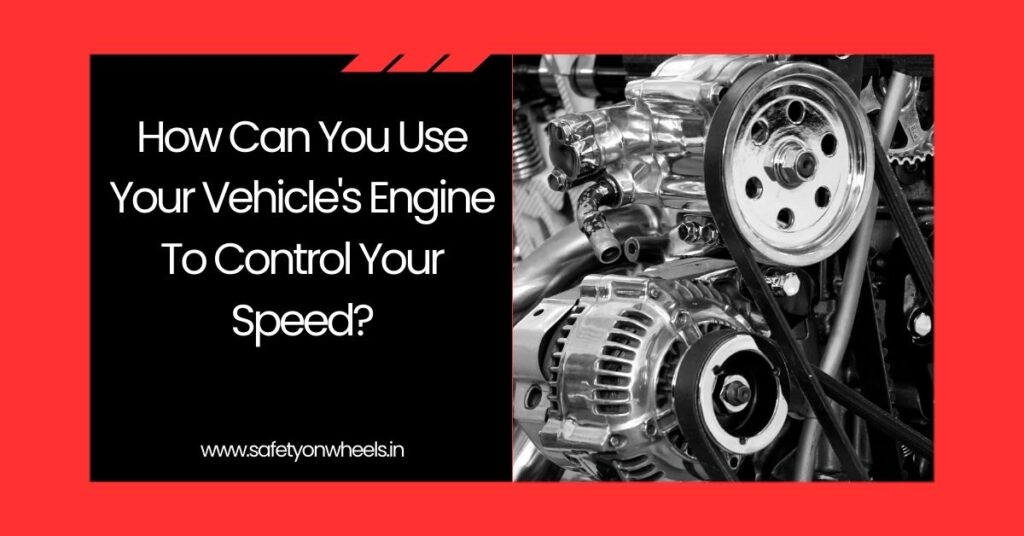
If you’ve ever lifted your foot off the accelerator and felt your vehicle begin to slow down without touching the brake pedal, you’ve already experienced engine braking. It’s subtle at first, but once you understand it, you’ll realize how powerful—and useful—it can be.
Many drivers rely almost entirely on the brake pedal to control speed. While that works, it’s not always the most efficient or safest method, especially in certain driving conditions. Engine braking offers a smarter, smoother way to manage speed when used correctly.
So, when will you feel the effects of engine braking?
The answer is straightforward: you will feel the effects as soon as you release the accelerator, particularly when the vehicle remains in gear and the engine begins to resist motion. However, the strength and timing of this effect depend on several factors such as speed, gear selection, and road conditions.
In this guide, we’ll break down how engine braking works, when you feel it most, and how to use it effectively to improve control, safety, and vehicle performance.
When Will You Feel The Effects Of Engine Braking?
You will feel the effects of engine braking immediately after easing off the accelerator while the vehicle is still in gear.
At that moment:
- The engine stops receiving fuel for acceleration
- Internal resistance within the engine slows the vehicle
- The car begins to decelerate naturally
The effect becomes more noticeable when:
- You are in a lower gear
- You are traveling at higher speeds
- You are driving downhill
In simple terms, the engine itself starts acting like a brake.
Also read: How Is Bunching Reduced On Motorways?
What Is Engine Braking and How Does It Work?
To understand when you feel it, you first need to understand what’s happening inside your vehicle.
The Basic Principle
When you press the accelerator:
- The engine generates power
- The vehicle moves forward
When you release it:
- Fuel supply reduces or stops
- The engine resists the motion of the wheels
This resistance creates a slowing effect.
Mechanical Explanation
The engine remains connected to the wheels through the transmission. When you stop accelerating:
- The wheels continue turning the engine
- Internal friction and compression slow everything down
That’s engine braking in action.
Factors That Affect Engine Braking Strength
Not all engine braking feels the same. Several factors influence how strong the effect will be.
Gear Selection
Lower gears produce stronger engine braking because:
- The engine rotates faster relative to wheel speed
- Resistance increases
Higher gears:
- Produce weaker braking effects
Vehicle Speed
At higher speeds:
- Engine braking feels more noticeable
At lower speeds:
- The effect becomes minimal
Engine Type
Different engines behave differently.
- Petrol engines: moderate engine braking
- Diesel engines: often stronger due to higher compression
Vehicle Weight
Heavier vehicles:
- Require more force to slow down
- May show reduced engine braking effect compared to lighter cars
Situations Where Engine Braking Is Most Noticeable
You won’t always pay attention to engine braking, but in certain situations, it becomes very clear.
Driving Downhill
This is where engine braking shines.
Instead of:
- Constantly pressing the brake pedal
You can:
- Downshift and let the engine control speed
This reduces:
- Brake wear
- Risk of overheating
Slowing Down for Turns
When approaching a bend:
- Releasing the accelerator helps reduce speed smoothly
Stop-and-Go Traffic
Engine braking:
- Helps maintain control
- Reduces the need for constant braking
Approaching Traffic Signals
Easing off early:
- Allows gradual deceleration
- Improves fuel efficiency
Benefits of Using Engine Braking
Engine braking isn’t just a driving technique—it’s a smart habit.
Reduced Brake Wear
Using the engine to slow down:
- Decreases reliance on brake pads
- Extends their lifespan
Better Vehicle Control
Engine braking provides:
- Smoother deceleration
- Improved stability
Improved Safety on Slopes
On steep roads:
- Prevents brake overheating
- Maintains consistent speed
Fuel Efficiency
Modern vehicles often:
- Cut fuel supply when engine braking
This can:
- Improve fuel economy
Common Mistakes Drivers Make
While engine braking is useful, incorrect use can reduce its effectiveness.
Staying in High Gear
Many drivers:
- Keep the vehicle in high gear
This results in:
- Weak braking effect
Downshifting Too Aggressively
Shifting too quickly to a very low gear:
- Can strain the engine
- Cause jerky motion
Ignoring Road Conditions
Engine braking should be adjusted based on:
- Weather
- Traffic
- Road surface
Engine Braking in Manual vs Automatic Cars
The experience differs depending on the type of transmission.
Manual Transmission
Drivers have:
- Full control over gear selection
This allows:
- Stronger and more precise engine braking
Automatic Transmission
Modern automatics:
- Downshift automatically when needed
Some vehicles offer:
- Manual mode or paddle shifters for better control
When Not to Rely Solely on Engine Braking
Engine braking is helpful, but it’s not a replacement for your brakes.
Emergency Situations
In sudden stops:
- Use the brake pedal immediately
Slippery Roads
On icy or wet roads:
- Sudden downshifting can reduce traction
Low-Speed Driving
At very low speeds:
- Engine braking has minimal effect
Practical Tips for Using Engine Braking Effectively
Let’s keep things simple and actionable.
Anticipate Early
Look ahead and:
- Release the accelerator in advance
Use Appropriate Gears
Shift gradually:
- Match speed with gear
Combine with Braking
Use both:
- Engine braking for smooth deceleration
- Brake pedal for precise stopping
Stay Smooth
Avoid:
- Sudden gear changes
- Abrupt movements
The Psychology of Smooth Driving
Engine braking also changes how you think about driving.
Encourages Patience
You begin to:
- Anticipate rather than react
Reduces Stress
Smooth deceleration:
- Makes driving more comfortable
Improves Awareness
You become more:
- Connected to the vehicle
- Aware of surroundings
Also read: What Should The Test Examiner Do If All Students Submit Their Test Before The Maximum Testing Time?
Final Thoughts
So, when will you feel the effects of engine braking?
You’ll feel it the moment you release the accelerator while the vehicle remains in gear. The car begins to slow naturally as the engine resists motion. The effect becomes stronger in lower gears, at higher speeds, and especially on downhill roads.
Engine braking is one of those techniques that separates average drivers from skilled ones. It’s not about replacing the brake pedal—it’s about using every tool available to drive smarter, smoother, and safer.
Once you start using it consciously, you’ll notice a difference not just in how your car behaves, but in how relaxed and controlled your driving feels.