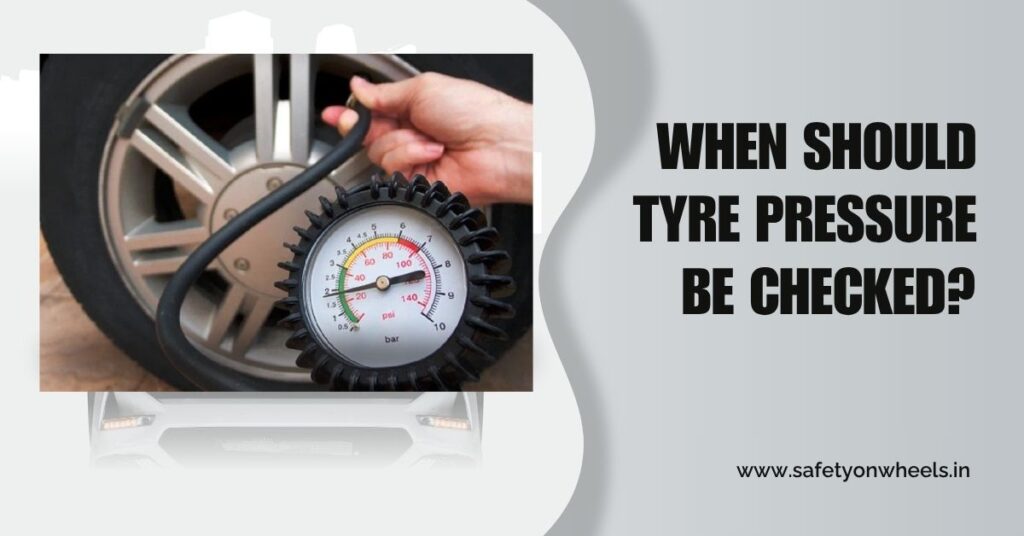
Tyre pressure might seem like a small detail, but it plays a massive role in how your vehicle performs. From fuel efficiency to braking distance, the condition of your tyres directly affects safety, comfort, and cost.
Yet, many drivers only think about tyre pressure when something feels off—by then, the damage may already be done.
So, when should tyre pressure be checked?
The answer goes beyond “once in a while.” Proper tyre maintenance requires consistency, timing, and awareness of specific conditions that affect pressure levels.
In this comprehensive guide, we’ll explore the ideal times to check tyre pressure, why it matters, and how to build a simple routine that keeps your vehicle running safely and efficiently.
Also read: How Much Distance Should Be Between Cars At A Stop Light In Feet?
When Should Tyre Pressure Be Checked?
Tyre pressure should be checked at least once a month, before long journeys, and whenever there is a significant change in temperature or driving conditions.
For the most accurate reading, always check tyre pressure:
- When the tyres are cold
- Before driving or after the vehicle has been stationary for several hours
This ensures that the pressure reading reflects the true condition of your tyres.
Why Regular Tyre Pressure Checks Matter
Checking tyre pressure regularly is not just a maintenance task—it’s a safety habit.
Improved Safety
Correct tyre pressure ensures:
- Better grip on the road
- Shorter braking distances
- Stable handling
Better Fuel Efficiency
Under-inflated tyres:
- Increase rolling resistance
- Force the engine to work harder
Maintaining proper pressure helps reduce fuel consumption.
Longer Tyre Life
Correct pressure prevents:
- Uneven wear
- Premature damage
Enhanced Driving Comfort
Properly inflated tyres:
- Provide smoother rides
- Improve vehicle balance
The Importance of Checking Tyres When Cold
Timing is everything when it comes to accurate pressure readings.
What “Cold Tyres” Means
Cold tyres are:
- Tyres that haven’t been driven for at least 2–3 hours
- Or have been driven for less than a short distance at low speed
Why It Matters
Driving generates heat, which:
- Expands air inside the tyre
- Increases pressure readings
Checking hot tyres can:
- Give inaccurate results
- Lead to under-inflation after cooling
Best Practice
Always check tyre pressure:
- Early in the morning
- Before starting your journey
Key Situations When You Should Check Tyre Pressure
Beyond monthly checks, certain situations require extra attention.
Before Long Trips
Long journeys demand:
- Consistent tyre performance
- Reliable handling
Checking pressure beforehand:
- Reduces breakdown risk
- Improves safety
During Seasonal Changes
Temperature changes directly affect tyre pressure.
Cold Weather
Pressure drops in colder conditions because:
- Air contracts
Hot Weather
Pressure increases due to:
- Air expansion
A general rule:
- Tyre pressure changes by about 1 PSI for every 10°C change in temperature
After Long Periods of Inactivity
If your vehicle hasn’t been used for a while:
- Tyres may lose pressure naturally
When Carrying Extra Load
Additional weight:
- Requires proper tyre pressure adjustments
- Affects tyre performance
After Hitting a Pothole or Obstacle
Impacts can:
- Cause slow leaks
- Damage tyre structure
Checking pressure helps detect issues early.
Signs That Your Tyre Pressure Needs Checking
Sometimes your vehicle gives subtle warnings.
Visual Indicators
- Tyres appear slightly flattened
- Uneven wear patterns
Driving Feel
- Steering feels heavy
- Vehicle pulls to one side
- Reduced responsiveness
Dashboard Alerts
Modern vehicles may show:
- Tyre pressure warning lights
Ignoring these signs can lead to bigger problems.
How Incorrect Tyre Pressure Affects Your Vehicle
Understanding the consequences reinforces the importance of regular checks.
Under-Inflation
Leads to:
- Increased fuel consumption
- Faster tyre wear
- Higher risk of overheating
Over-Inflation
Causes:
- Reduced grip
- Harsher ride
- Increased risk of tyre damage
Impact on Safety Systems
Incorrect pressure can affect:
- Braking performance
- Stability control systems
How to Check Tyre Pressure Properly
Checking tyre pressure is simple but must be done correctly.
Use a Reliable Pressure Gauge
A good gauge ensures:
- Accurate readings
- Consistent results
Follow Manufacturer Recommendations
The correct pressure is usually found:
- In the vehicle manual
- On a sticker inside the door frame
Check All Tyres
Don’t forget:
- Spare tyre
- Rear tyres, which often get overlooked
Adjust as Needed
Inflate or deflate tyres:
- According to recommended levels
Common Mistakes to Avoid
Even simple tasks can go wrong if not done carefully.
Checking After Driving
Hot tyres give:
- Misleading pressure readings
Ignoring Small Pressure Changes
Even slight deviations can:
- Affect performance
Forgetting the Spare Tyre
A flat spare tyre:
- Becomes useless in emergencies
Relying Only on Visual Inspection
Tyres can look fine but still:
- Have incorrect pressure
Building a Simple Tyre Maintenance Routine
Consistency makes all the difference.
Monthly Checks
Set a reminder:
- Once every month
Pre-Trip Checks
Make it a habit before:
- Long drives
- Road trips
Seasonal Adjustments
Pay attention to:
- Weather changes
Combine with Other Checks
Check tyre pressure along with:
- Oil levels
- Brake condition
The Bigger Picture: Small Effort, Big Benefits
Checking tyre pressure takes only a few minutes, but the benefits are significant.
It helps you:
- Stay safe
- Save money
- Extend tyre life
- Improve driving experience
Small habits like this create long-term reliability and confidence on the road.
Also read: What Should The Test Examiner Do If All Students Submit Their Test Before The Maximum Testing Time?
Final Thoughts
So, when should tyre pressure be checked? The best approach is simple: check it at least once a month, before long trips, during temperature changes, and always when tyres are cold.
This routine ensures your vehicle performs at its best while keeping you safe and comfortable.
In driving, it’s often the smallest details that make the biggest difference. And maintaining proper tyre pressure is one of the easiest and most effective ways to drive smarter every day.