Driving rules often include small details that can easily confuse even experienced drivers. One such situation involves T3 lanes, also known as transit or carpool lanes, and a very specific scenario—overtaking a vehicle that is turning right.
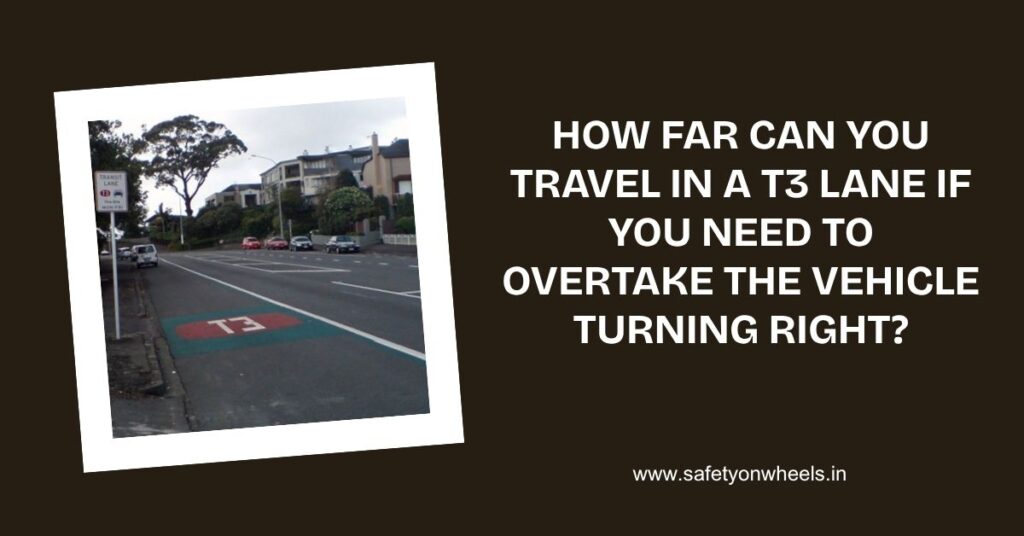
So, how far can you travel in a T3 lane if you need to overtake the vehicle turning right? The answer is not just about distance; it’s about legality, safety, and intent.
In this blog guide, we’ll break down the rules, explain when it’s allowed, how to do it correctly, and the mistakes that could cost you a fine or worse—an accident.
How Far Can You Travel in a T3 Lane If You Need to Overtake the Vehicle Turning Right?
Let’s answer the main question clearly.
You can enter and travel in a T3 lane only for a short distance necessary to safely overtake a vehicle turning right—typically no more than 50 to 100 meters, depending on local regulations.
What This Actually Means
- You are allowed to briefly enter the T3 lane
- The purpose must be strictly to avoid obstruction caused by a right-turning vehicle
- You must exit the lane as soon as it is safe
This is not permission to use the lane freely. It’s a limited exception designed to keep traffic flowing smoothly.
Also read: What Is The Minimum Amount Of Required Sleep You Should Have Before Taking A Long Drive?
Understanding What a T3 Lane Is
Before going deeper, it’s important to understand what a T3 lane actually represents.
Definition of a T3 Lane
A T3 lane is a transit or high-occupancy vehicle (HOV) lane that requires:
- At least three occupants in a vehicle
- Or use by authorized vehicles like buses, taxis, or emergency services
Purpose of T3 Lanes
These lanes exist to:
- Reduce traffic congestion
- Encourage carpooling
- Improve public transport efficiency
Because of this, access is restricted—and any exception is tightly controlled.
Why Overtaking a Right-Turning Vehicle Is Allowed
You might wonder why this exception exists at all.
Preventing Traffic Build-Up
When a vehicle slows down to turn right, it can block the lane behind it. Allowing drivers to briefly move into a T3 lane helps maintain traffic flow.
Improving Road Efficiency
Without this rule, even a single turning vehicle could create unnecessary delays, especially on busy roads.
Safety Considerations
A controlled, short movement into the T3 lane is often safer than sudden braking or aggressive maneuvering.
Conditions You Must Follow While Using a T3 Lane
This is where most drivers go wrong—not understanding the limitations.
Use the Lane Only When Necessary
You should enter the T3 lane only if the vehicle ahead is clearly turning right and blocking your path.
Keep the Distance Minimal
The key phrase here is “minimal distance.”
This means:
- Enter the lane briefly
- Overtake smoothly
- Return to your lane immediately
Staying longer than necessary can result in a violation.
Do Not Gain Unfair Advantage
You cannot use this opportunity to:
- Skip traffic
- Continue driving in the T3 lane
- Overtake multiple vehicles
Check for Signs and Markings
Some roads have stricter rules. Always observe:
- Road signs
- Lane markings
- Time-based restrictions
Step-by-Step Guide to Overtaking Safely Using a T3 Lane
Let’s walk through how to handle this situation correctly.
Step 1: Identify the Situation Clearly
Make sure the vehicle ahead is actually turning right and slowing down.
Avoid assumptions—misjudgment can lead to risky moves.
Step 2: Check Traffic in the T3 Lane
Before entering:
- Look in your mirrors
- Check blind spots
- Ensure no fast-moving vehicles are approaching
Step 3: Signal Your Intent
Always use your indicator. This communicates your movement to other drivers.
Step 4: Enter the Lane Smoothly
Avoid sudden or sharp movements. Keep control and maintain awareness.
Step 5: Overtake Quickly but Safely
Pass the turning vehicle without hesitation, but do not speed aggressively.
Step 6: Return to Your Lane Immediately
Once clear, move back into your original lane as soon as possible.
Common Mistakes Drivers Make
Understanding mistakes can help you avoid penalties and accidents.
Staying Too Long in the T3 Lane
This is the most common violation.
Even a few extra seconds beyond necessity can be considered misuse.
Overtaking Multiple Vehicles
The rule allows overtaking one turning vehicle, not clearing a queue.
Ignoring Traffic in the T3 Lane
Drivers sometimes assume the lane is empty. This can lead to dangerous situations.
Using the Lane Regularly Without Qualification
If your vehicle doesn’t meet T3 requirements, you cannot use the lane freely.
Legal Consequences of Misusing a T3 Lane
Traffic authorities take lane violations seriously.
Fines and Penalties
Unauthorized use of a T3 lane can result in:
- Monetary fines
- Points on your driving record
Increased Monitoring
Many T3 lanes are monitored through cameras, making violations easy to detect.
Insurance Impact
Repeated violations can affect your driving history and insurance premiums.
Real-World Driving Scenarios
Let’s apply this rule to practical situations.
Urban Traffic
You’re driving in a busy city, and a car ahead slows down to turn right.
Correct action:
- Briefly enter the T3 lane
- Overtake
- Return immediately
High-Speed Roads
At higher speeds, timing becomes critical.
Focus on:
- Safe gaps
- Controlled movement
- Quick execution
Peak Traffic Hours
During heavy traffic, temptation to stay longer in the T3 lane increases.
Resist this—stick to the rule strictly.
Tips to Stay Safe and Compliant
Building the right habits makes all the difference.
Stay Aware of Lane Rules
Different regions may have slightly different regulations. Always stay updated.
Practice Defensive Driving
Assume other drivers may not follow rules perfectly.
Avoid Impulsive Decisions
Take a second to assess before making a move.
Keep Your Focus on Safety, Not Speed
The goal is to maintain flow—not to gain advantage.
Why Understanding This Rule Matters?
This might seem like a minor rule, but it reflects a larger principle of driving:
Using the road responsibly while respecting shared space
T3 lanes are designed for efficiency, and misusing them disrupts that purpose.
Also read: Describe How Emotional Factors Could Negatively Impact Your Personal Lifestyle Choices
Final Thoughts
Understanding how far can you travel in a t3 lane if you need to overtake the vehicle turning right is less about memorizing a specific distance and more about applying good judgment in real-time driving situations. The rule allows only a short, necessary movement into the lane to maintain traffic flow, not to gain an advantage or bypass multiple vehicles. When you approach this situation with awareness—checking traffic, moving smoothly, and returning promptly—you not only stay within legal limits but also contribute to safer roads for everyone. In everyday driving, it’s these small, responsible decisions that separate a cautious driver from a careless one, and over time, they make a significant difference in both safety and confidence behind the wheel.