Motorways are designed for speed, efficiency, and smooth traffic flow. But when roadworks or maintenance projects take place, that smooth flow often needs to be temporarily reorganized. That’s where contraflow systems come into play.
If you’ve ever driven through roadworks on a motorway and suddenly found traffic moving in both directions on one side of the road, you’ve experienced a contraflow system.
So, what would you expect to find at a contraflow system on a motorway?
The short answer: narrower lanes, reduced speed limits, temporary barriers, and traffic flowing in opposite directions on the same carriageway.
In this detailed guide, we’ll explore exactly what contraflow systems involve, why they exist, what hazards to watch for, and how to drive through them safely and confidently.
Understanding Contraflow Systems on Motorways
Before diving into the details, it’s important to understand what a contraflow system actually is.
What Is a Contraflow System?
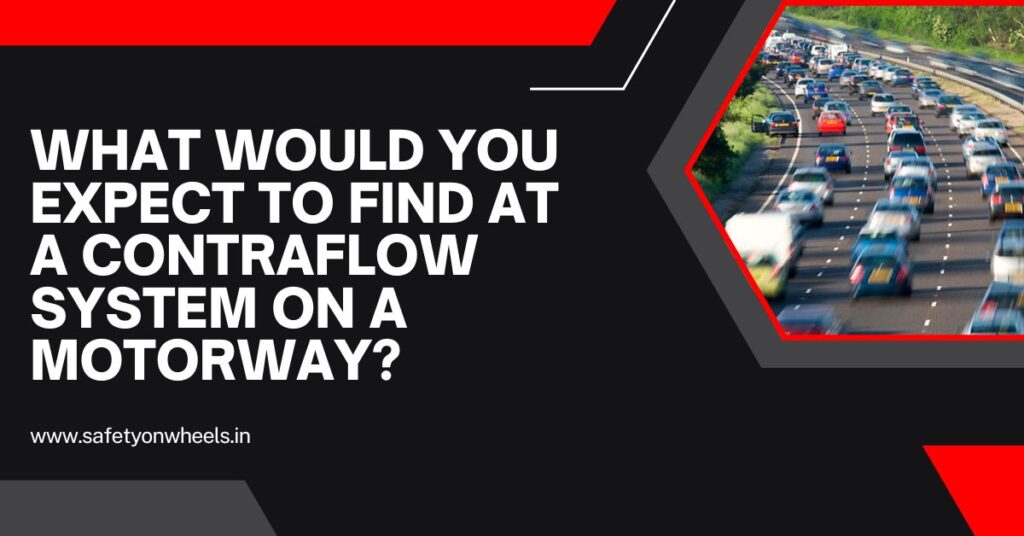
A contraflow system temporarily redirects traffic so that both directions share one side of the motorway.
This usually happens when:
- Roadworks close one carriageway
- Maintenance requires lane closures
- Construction projects affect normal traffic flow
Why Are Contraflow Systems Used?
Contraflow systems allow roadwork crews to safely work on one side of the motorway while still keeping traffic moving in both directions.
Without them, entire sections of motorway might need to close—causing major disruptions.
Also read: How Would Under Inflated Tyres Affect Vehicle Performance, Safety, and Efficiency?
What Would You Expect to Find at a Contraflow System on a Motorway?
Let’s directly answer the main question: what would you expect to find at a contraflow system on a motorway?
Narrower Traffic Lanes
One of the most noticeable features is reduced lane width.
To fit traffic in both directions on one side, lanes become significantly narrower.
This leaves less room for error and requires precise steering.
Temporary Barriers
You’ll often see cones or solid barriers separating opposing traffic.
These barriers:
- Prevent head-on collisions
- Guide vehicles safely through the system
Reduced Speed Limits
Speed limits are usually lowered in contraflow systems.
Typical reductions help drivers:
- React more quickly
- Navigate narrow lanes safely
- Reduce accident severity
Oncoming Traffic Nearby
Unlike normal motorway driving, you’ll see vehicles traveling in the opposite direction just a short distance away.
This can feel unusual, especially for inexperienced drivers.
Key Features You’ll Notice in a Contraflow System
Beyond the basics, several additional features define these systems.
Temporary Road Markings
Standard lane markings may be replaced with temporary ones.
These markings often use different colors or materials to guide drivers clearly.
Warning Signs
You’ll encounter multiple warning signs before entering a contraflow system.
These signs typically indicate:
- Lane shifts
- Reduced speed limits
- Roadworks ahead
Lane Restrictions
Certain vehicles, such as heavy goods vehicles (HGVs), may face lane restrictions due to limited space.
No Hard Shoulder
In most contraflow setups, the hard shoulder disappears.
This means there’s no immediate safe space to pull over in an emergency.
Why Contraflow Systems Require Extra Caution?
Driving through a contraflow system demands more attention than normal motorway driving.
Reduced Margin for Error
Narrow lanes leave little room for drifting or sudden corrections.
Even small mistakes can have serious consequences.
Close Proximity to Other Vehicles
Traffic flows closely in both directions.
This can feel uncomfortable and requires steady control.
Increased Driver Stress
Unfamiliar layouts, tight spaces, and visible roadworks can increase driver stress levels.
Staying calm and focused becomes essential.
Common Hazards in Contraflow Systems
Understanding potential hazards helps you prepare and react effectively.
Sudden Lane Changes
Temporary layouts may require quick adjustments.
Drivers must stay alert and follow signs carefully.
Uneven Road Surfaces
Construction zones often include:
- Rough patches
- Temporary surfaces
- Debris
These can affect vehicle stability.
Limited Escape Routes
Without a hard shoulder, options for avoiding hazards are limited.
This makes defensive driving even more important.
Safe Driving Tips for Contraflow Systems
Navigating a contraflow system safely requires a few key habits.
Follow Speed Limits Strictly
Reduced speed limits exist for a reason.
Driving too fast increases risk significantly in narrow lanes.
Maintain a Safe Distance
Keep a larger-than-usual gap between your vehicle and the one ahead.
This provides extra reaction time.
Stay Centered in Your Lane
Avoid drifting toward lane edges.
Focus on maintaining a steady, centered position.
Avoid Overtaking
Overtaking is often restricted or unsafe in contraflow systems.
Stick to your lane unless signage clearly allows otherwise.
Stay Alert to Signs
Temporary signs guide you through changing conditions.
Ignoring them can lead to confusion or danger.
How Contraflow Systems Improve Road Safety?
While they may seem inconvenient, contraflow systems serve an important purpose.
Protecting Road Workers
Separating traffic from construction zones ensures worker safety.
Maintaining Traffic Flow
Instead of closing entire motorways, contraflow systems allow vehicles to keep moving.
Reducing Congestion
Although traffic may slow down, it continues to flow—preventing complete standstills.
Psychological Aspects of Driving in Contraflow Systems
Driving in these setups can feel unusual, especially for new drivers.
Why It Feels Uncomfortable
- Opposite-direction traffic appears closer than usual
- Lane width feels restricted
- Road layout changes unexpectedly
How to Stay Calm
- Focus on your lane
- Ignore distractions from oncoming vehicles
- Trust the road markings and signs
Confidence improves with experience.
Common Mistakes Drivers Make
Even experienced drivers can struggle in contraflow systems.
Driving Too Fast
Some drivers fail to adjust speed appropriately.
Lane Drifting
Narrow lanes require constant attention.
Ignoring Temporary Signs
Drivers sometimes rely on привычка instead of following updated signage.
Overconfidence
Assuming normal motorway rules apply can lead to risky decisions.
Preparing for a Contraflow System
Preparation makes a big difference in safety and comfort.
Stay Alert to Advance Warnings
Motorways typically provide early signs indicating upcoming roadworks.
Adjust Your Driving Early
Slow down gradually and prepare for lane changes.
Avoid Distractions
Focus fully on the road—this is not the time to check your phone or adjust settings.
Why Understanding Contraflow Systems Matters?
Contraflow systems are common on motorways, especially during maintenance seasons.
Understanding how they work helps drivers:
- Stay safe
- Avoid penalties
- Reduce stress while driving
Driving is not just about controlling a vehicle—it’s about adapting to changing conditions.
Also read: Which Advice Should Be Given to a Teacher Whose Student is Facing Challenges at Home
Final Thoughts
Understanding what would you expect to find at a contraflow system on a motorway is essential for safe and confident driving. From narrower lanes and reduced speed limits to temporary barriers and two-way traffic on one carriageway, these systems require extra attention and care. While they may feel challenging at first, they are designed to protect both drivers and road workers while maintaining traffic flow. By staying alert, following signs, and driving calmly, you can navigate contraflow systems safely and efficiently every time.