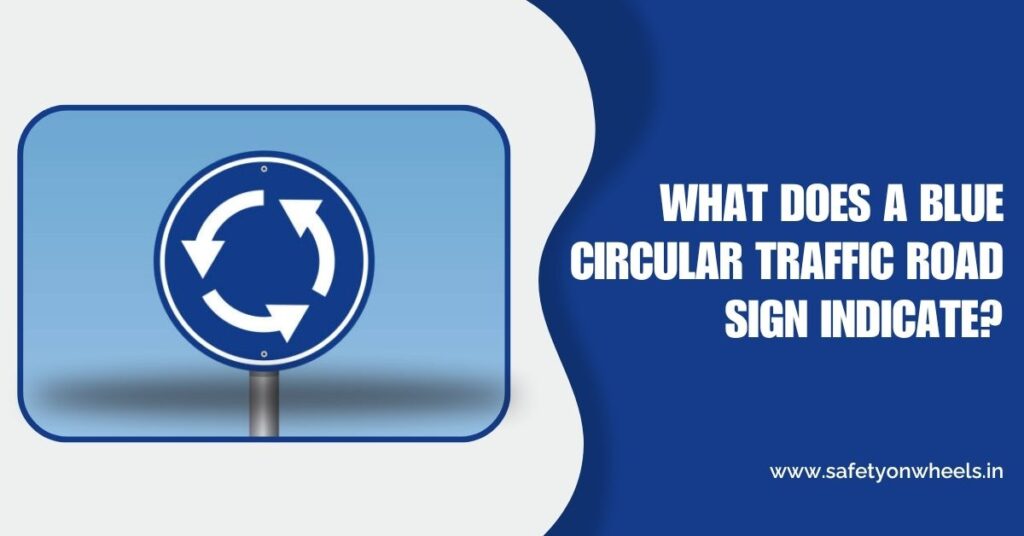
Traffic signs exist for one simple reason: to keep roads organized and people safe. Yet many drivers focus heavily on red stop signs and speed limits while ignoring another important category—the blue circular traffic sign.
If you have ever wondered, what does a blue circular traffic road sign indicate?, the short answer is this: it usually gives a mandatory instruction that drivers, cyclists, or pedestrians must follow.
Unlike warning signs, which alert you to possible hazards ahead, blue circular signs tell you exactly what action is required. They are not suggestions. They are road rules in visual form.
Understanding these signs matters because misinterpreting them can lead to accidents, traffic violations, or confusion on busy roads. This guide explains what blue circular signs mean, how they differ from other traffic signs, and why they play a major role in modern road safety systems.
Why Traffic Sign Colors Matter?
Traffic signs use colors intentionally. Drivers process visual information quickly, so road systems rely on standardized colors and shapes to communicate instantly.
Different colors usually represent different purposes:
- Red often signals prohibition or stopping
- Yellow typically warns about hazards
- Green commonly provides direction or guidance
- Blue often indicates mandatory actions or services
The shape also matters. Circular signs usually indicate regulations or instructions, while triangular signs often provide warnings.
Road signs work because they reduce the amount of thinking required while driving. At 60 km/h or 40 mph, your brain appreciates simplicity.
Also read: Why Do Traffic Stop Incidents Often Lead To Calls For Police Body Cameras?
What Does a Blue Circular Traffic Road Sign Indicate?
A blue circular traffic road sign usually indicates a mandatory instruction or positive action that road users must follow.
These signs tell drivers what they must do, rather than what they should avoid.
Examples include:
- Turn left
- Keep right
- Use a specific lane
- Follow a cycle-only route
- Maintain a minimum speed
In many countries, blue circular signs are legally enforceable. Ignoring them may result in fines, penalties, or dangerous driving situations.
Think of them as the road’s polite but firm manager: “Please do this. No debates.”
Common Types of Blue Circular Traffic Signs
Understanding the most common examples makes driving much easier, especially in unfamiliar areas.
Keep Left or Keep Right Signs
These signs direct traffic flow around islands, medians, or road obstructions.
You’ll usually see:
- White arrow on a blue circular background
- Mandatory direction of travel
Ignoring these signs can create serious collision risks because they manage lane order.
Turn Left or Turn Right Signs
Unlike directional arrows on guideboards, circular blue signs require drivers to move in a specific direction.
They are often placed:
- At intersections
- Construction zones
- Restricted roadways
These instructions help control traffic flow safely.
Roundabout Signs
A blue circular sign with white circular arrows indicates a roundabout.
It tells drivers:
- Traffic moves in a circular direction
- Yield rules apply
- Vehicles must follow the roundabout pattern
Roundabouts reduce severe intersection crashes compared to traditional crossings, according to traffic safety studies in multiple countries.
Minimum Speed Limit Signs
Some regions use blue circular signs to indicate a minimum required speed.
For example:
- White number inside blue circle
- Drivers must not travel below that speed unless conditions require it
These signs help maintain smooth traffic flow, especially on highways.
Cycle Path Signs
Blue circular signs often designate:
- Bicycle-only lanes
- Shared pedestrian-cycle routes
- Mandatory cycling paths
These signs improve safety by separating different types of road users.
Pedestrian Path Signs
Some blue circular signs indicate mandatory pedestrian walkways.
These signs help:
- Organize foot traffic
- Improve pedestrian safety
- Reduce conflict between vehicles and walkers
Especially in urban areas, they play an important role in accessibility and crowd management.
How Blue Circular Signs Differ From Red Circular Signs?
This is where many new drivers get confused.
Both shapes are circular, but the colors completely change the meaning.
Blue Circular Signs = Mandatory Actions
They tell you what you must do.
Examples:
- Turn left
- Use cycle lane
- Keep right
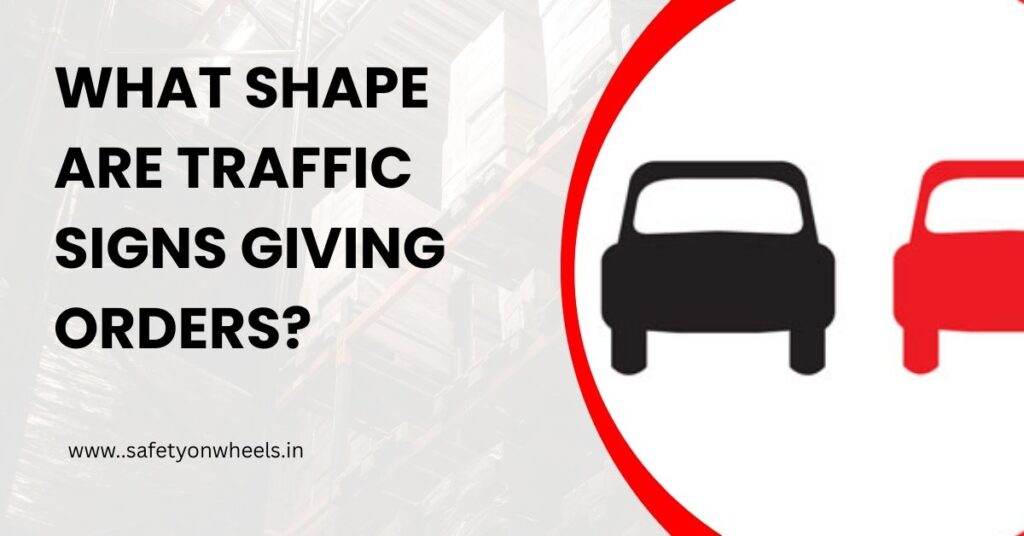
Red Circular Signs = Restrictions or Prohibitions
They tell you what you cannot do.
Examples:
- No entry
- No parking
- No U-turn
One gives instructions. The other limits actions.
Understanding this difference improves reaction speed and road awareness significantly.
Why These Signs Are Important for Road Safety?
Traffic systems depend on predictability. Drivers need to know what other drivers are expected to do.
Blue circular signs help by:
- Reducing confusion
- Directing movement clearly
- Organizing traffic flow
- Preventing dangerous maneuvers
- Improving pedestrian and cyclist safety
Research from transportation safety organizations consistently shows that clear traffic control systems reduce accident risk and improve driver response time.
Good signage turns chaos into coordination.
Blue Circular Signs in Different Countries
While many traffic systems follow international conventions, exact designs can vary slightly between countries.
Europe
Most European countries use blue circular signs primarily for mandatory instructions.
United Kingdom
The UK Highway Code heavily relies on blue circular signs for mandatory directions and route usage.
India
Indian road systems also use blue circular signs for compulsory instructions, especially in urban traffic management.
United States
The U.S. relies less on blue circular mandatory signs compared to Europe, but blue signs are still commonly used for informational services.
This variation is why international drivers should always review local road sign systems before driving abroad.
GPS can help, but it cannot replace understanding the sign directly in front of you.
Common Mistakes Drivers Make
Even experienced drivers occasionally misunderstand blue circular signs.
Treating Them Like Suggestions
Mandatory signs are enforceable instructions, not optional advice.
Confusing Them With Information Signs
Not all blue signs are circular. Shape matters just as much as color.
Ignoring Cycle and Pedestrian Instructions
Drivers sometimes focus only on vehicle signs and miss important shared-road guidance.
Misreading Minimum Speed Signs
A minimum speed sign does not mean “drive exactly this speed.” It means you should not go below it under normal conditions.
Attention to detail matters on the road.
Tips to Remember Blue Circular Traffic Signs Easily
Memory tricks help new drivers during test preparation.
Think “Blue Means Do”
Blue circular signs usually tell you an action to perform.
Focus on Shape + Color Together
A blue rectangle may provide information, but a blue circle usually means mandatory action.
Practice With Real Examples
Road sign apps, driving manuals, and mock driving tests improve recognition speed.
Visual repetition works surprisingly well.
Why Understanding Road Signs Matters Beyond Driving Tests?
Many people study traffic signs only to pass the exam and then forget half of them immediately afterward. Unfortunately, roads continue existing after the test.
Understanding signs improves:
- Defensive driving
- Reaction time
- Pedestrian awareness
- Confidence in unfamiliar areas
It also helps reduce stress while driving in heavy traffic.
Road signs are basically the instruction manual nobody reads until things become confusing.
Also read: What Types Of Jobs Would Require A 2-year Degree?
Final Thoughts
So, what does a blue circular traffic road sign indicate?
In most road systems, it indicates a mandatory instruction that drivers, cyclists, or pedestrians must follow. These signs help organize movement, improve safety, and reduce confusion on busy roads.
Whether the sign tells you to turn, keep left, use a cycle lane, or maintain a minimum speed, its purpose remains the same: create predictable and safer traffic flow.
Learning traffic signs may not sound exciting, but understanding them makes you a more confident and responsible road user. And honestly, roads work much better when everyone follows the same visual instructions.