
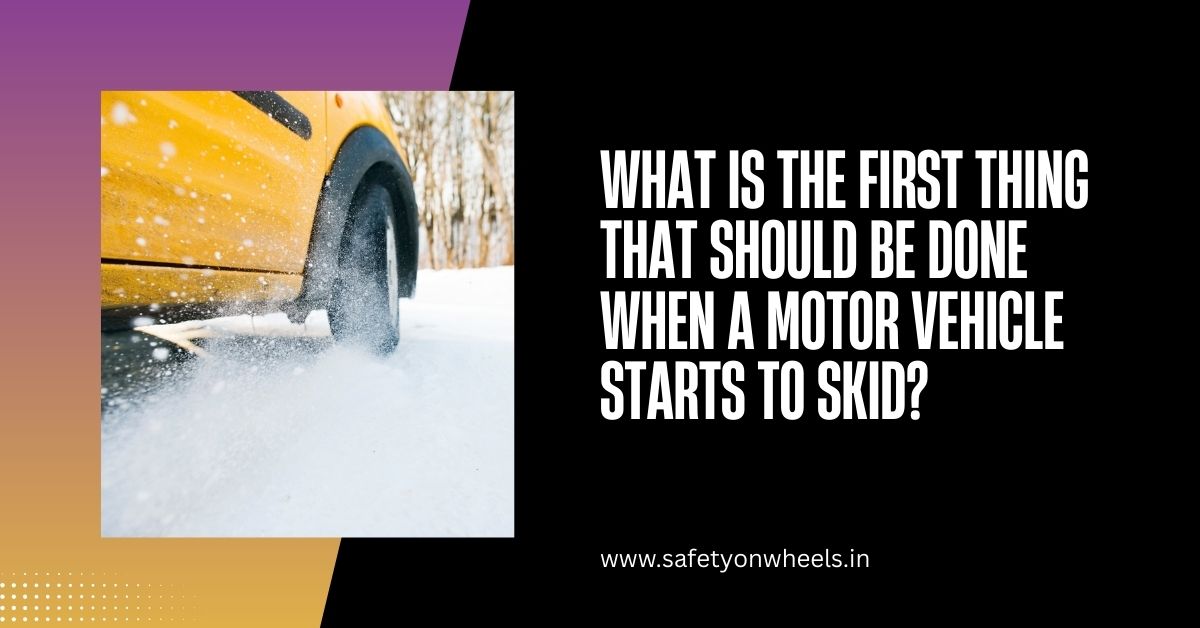
Losing control of your vehicle—even for a split second—can feel terrifying. One moment you’re driving normally, and the next, your car begins to slide unpredictably. Skidding is one of the most dangerous situations a driver can face, especially at higher speeds or in poor weather conditions.
So naturally, one critical question arises: what is the first thing that should be done when a motor vehicle starts to skid?
The answer is simple, but incredibly important: ease off the accelerator (and avoid harsh braking or steering).
This immediate response helps your tires regain traction with the road. While it sounds straightforward, many drivers panic and do the exact opposite—making the situation worse.
In this comprehensive guide, we’ll break down why skidding happens, how to respond correctly, and how to prevent it altogether. By the end, you’ll feel more confident handling one of driving’s most challenging moments.
Understanding Why Vehicles Skid
Before learning how to react, it’s important to understand what causes a skid in the first place.
Loss of Traction: The Root Cause
A skid occurs when your tires lose grip on the road surface. Without traction, your vehicle cannot respond properly to steering, braking, or acceleration.
Common Causes of Skidding
Several real-world factors can trigger a skid:
- Wet or icy roads
- Loose gravel or sand
- Sudden braking
- Sharp or aggressive steering
- Excessive speed for road conditions
According to global road safety data, wet roads can double stopping distances, increasing the likelihood of skidding if drivers react abruptly.
Types of Skids
Front-Wheel Skid (Understeer)
The front tires lose grip, and the car continues straight despite steering input.
Rear-Wheel Skid (Oversteer)
The rear of the vehicle swings out, often during sharp turns or sudden acceleration.
Understanding the type of skid helps you respond correctly, but the first reaction remains the same.
Also read: What’s the Main Benefit of Driving a Four-Wheel-Drive Vehicle?
What Is the First Thing That Should Be Done When a Motor Vehicle Starts to Skid?
Let’s address the core question clearly: what is the first thing that should be done when a motor vehicle starts to skid?
Ease Off the Accelerator Immediately
The very first step is to gently lift your foot off the accelerator.
This action reduces the force driving the wheels, allowing them to slow down and regain grip on the road.
Why This Works
When you accelerate, your wheels may spin faster than the road surface allows—especially in slippery conditions.
By easing off:
- You reduce wheel spin
- You help tires reconnect with the road
- You stabilize the vehicle
What NOT to Do
Many drivers panic and make instinctive mistakes:
- Slamming the brakes
- Jerking the steering wheel
- Accelerating to “power through”
These actions often worsen the skid.
Think of it this way: a skid is a loss of control, and sudden movements only increase that loss.
How to Regain Control During a Skid?
Once you’ve eased off the accelerator, the next steps help you regain full control.
Steer Gently in the Direction of the Skid
If the rear of your car slides to one side, steer in that direction.
For example:
- If the rear slides right → steer right
- If the rear slides left → steer left
This technique helps realign the vehicle.
Avoid Overcorrection
Oversteering can cause the vehicle to swing in the opposite direction.
Use small, controlled movements instead.
Keep Your Eyes on Your Intended Path
Drivers often look at obstacles during a skid.
Instead, focus on where you want the car to go—your hands will naturally guide the vehicle in that direction.
The Role of Braking Systems in Skid Control
Modern vehicles come equipped with advanced braking systems that help prevent skids.
Anti-Lock Braking System (ABS)
ABS prevents wheels from locking during heavy braking.
How to Use ABS
- Press the brake firmly
- Do not pump the brake pedal
- Allow the system to manage traction
You may feel a pulsing sensation—this is normal.
Without ABS
If your vehicle doesn’t have ABS:
- Brake gently
- Avoid sudden pressure
- Release brakes if wheels lock
Understanding your braking system makes a significant difference in emergency situations.
Skidding in Different Road Conditions
Skids can occur in various environments, and each requires slightly different handling.
Wet Roads
Water reduces tire grip, especially during heavy rain.
Tips:
- Reduce speed
- Avoid sudden inputs
- Watch for standing water
Icy or Snowy Roads
Ice creates extremely low traction.
Tips:
- Drive slowly
- Increase following distance
- Use gentle steering and braking
Gravel or Loose Surfaces
Loose materials cause tires to slide easily.
Tips:
- Maintain steady speed
- Avoid sharp turns
- Keep movements smooth
Each surface demands patience and control.
Preventing Skids Before They Happen
The best way to handle a skid is to avoid it altogether.
Maintain Proper Speed
Speed plays a major role in skidding.
Driving too fast for conditions reduces reaction time and increases risk.
Keep Tires in Good Condition
Tires are your only contact with the road.
Check regularly:
- Tread depth
- Air pressure
- Wear patterns
Worn tires significantly increase skid risk.
Avoid Sudden Movements
Smooth driving prevents sudden loss of traction.
This includes:
- Gradual acceleration
- Controlled braking
- Gentle steering
Increase Following Distance
More space gives you more time to react.
This reduces the need for sudden braking.
Common Mistakes Drivers Make During a Skid
Even experienced drivers can make errors under pressure.
Panic Braking
Slamming the brakes locks the wheels and worsens the skid.
Oversteering
Turning too sharply can send the car into another skid.
Ignoring Road Conditions
Failing to adjust speed or driving style leads to unnecessary risk.
Looking at Hazards Instead of Escape Paths
Your vehicle tends to follow your line of sight.
Focus on where you want to go—not what you want to avoid.
Why Skid Control Is a Critical Driving Skill?
Skid control isn’t just for extreme situations—it’s a fundamental driving skill.
Real-World Importance
Weather conditions change quickly.
Even experienced drivers encounter unexpected hazards.
Driving Tests and Safety Training
Many driving tests and advanced training programs include skid control scenarios.
Understanding proper techniques demonstrates strong road awareness and responsibility.
Practical Tips to Build Confidence
Handling a skid requires both knowledge and confidence.
Practice Defensive Driving
Anticipate potential hazards and adjust your driving accordingly.
Stay Calm Under Pressure
A calm driver makes better decisions.
Consider Advanced Driving Courses
Professional training can simulate skid scenarios in a controlled environment.
This builds muscle memory and confidence.
Also read: Features of Your Creative Writing
Final Thoughts
Understanding what is the first thing that should be done when a motor vehicle starts to skid can make the difference between regaining control and losing it completely. The key is simple: ease off the accelerator immediately and avoid sudden movements. From there, gentle steering and controlled braking help stabilize the vehicle. Skids often happen when drivers react too aggressively, but calm and measured actions allow the tires to regain traction. By practicing smooth driving habits, maintaining your vehicle properly, and staying aware of road conditions, you can reduce the risk of skidding and handle it confidently if it does occur.