At first glance, a child restraint system (CRS) that looks clean, sturdy, and well-maintained might seem perfectly safe—even if it has technically “expired.” After all, if there are no visible cracks, no loose parts, and the straps still work fine, what’s the problem?
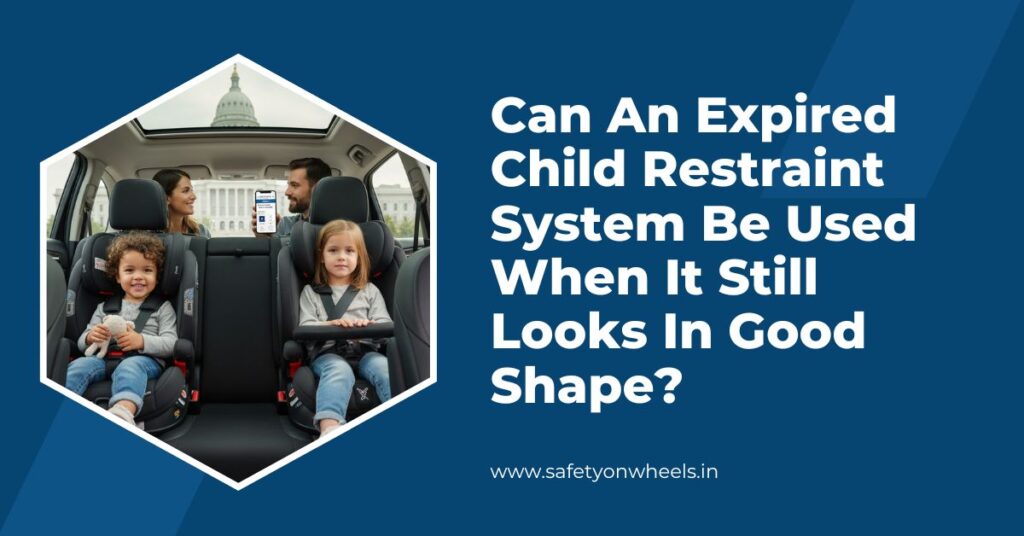
This is exactly why many parents and caregivers ask: can an expired child restraint system be used when it still looks in good shape?
The honest and expert-backed answer is no—an expired child restraint system should not be used, even if it appears to be in excellent condition. The risks are not always visible, and the consequences of failure can be severe.
In this detailed guide, we’ll explain why child restraint systems have expiration dates, what happens over time, and what safer alternatives you should consider.
Can an Expired Child Restraint System Be Used When It Still Looks in Good Shape?
Let’s address the keyword question clearly and directly.
Even if a child restraint system looks perfectly fine on the outside, it should not be used once it has passed its expiration date. Manufacturers set expiration periods based on material durability, safety standards, and real-world crash data—not just visible wear and tear.
Most child car seats expire within 6 to 10 years from the date of manufacture, depending on the model and brand.
Using an expired CRS can:
- Compromise crash protection
- Increase the risk of structural failure
- Void manufacturer responsibility
- Put a child’s safety at serious risk
In simple terms, appearance does not equal safety when it comes to child restraint systems.
Also read: What Is The Initial Driver’s License Classification For Applicants Of New License?
Why Do Child Restraint Systems Expire?
It might feel surprising that something as solid as a car seat has an expiration date. However, there are strong scientific and safety reasons behind it.
Material Degradation Over Time
Child restraint systems are made from plastics, foams, and fabrics that degrade gradually.
Key factors include:
- Heat exposure inside vehicles
- UV radiation from sunlight
- Temperature fluctuations
- General wear and tear
Even if the seat looks fine, microscopic changes can weaken the structure, making it less effective during a crash.
Plastic Fatigue and Brittleness
Plastic components, especially the shell of the seat, can become:
- Brittle
- Less flexible
- Prone to cracking under stress
In a collision, this reduced flexibility can lead to sudden failure instead of absorbing impact energy.
Wear on Straps and Harness Systems
Over time:
- Straps may lose strength
- Buckles may weaken internally
- Adjustment mechanisms may not perform reliably
These issues are not always visible but can affect how securely the child is held in place.
Safety Standards and Technological Advancements
Another major reason for expiration is the evolution of safety standards.
Changing Regulations
Vehicle safety guidelines are updated regularly based on:
- New crash research
- Improved testing methods
- Real-world accident analysis
An older CRS may not meet current safety requirements, even if it was compliant when purchased.
Improved Design Features
Modern child restraint systems often include:
- Better side-impact protection
- Enhanced energy absorption materials
- Improved harness designs
Using an outdated seat means missing out on these advancements.
Hidden Risks of Using an Expired CRS
One of the biggest dangers is that the risks are not visible.
Reduced Crash Performance
In an accident, an expired CRS may:
- Fail to absorb impact properly
- Break under stress
- Allow excessive movement of the child
These failures can lead to serious injuries.
Lack of Manufacturer Accountability
Once a seat is expired:
- The manufacturer no longer guarantees its performance
- Replacement parts may not be available
- Recalls or updates may not apply
This leaves the user fully responsible for any issues.
Unknown Storage Conditions
If the seat has been stored for years:
- It may have been exposed to extreme heat or humidity
- Internal components may have degraded faster
Even careful storage cannot fully prevent aging.
How to Check if a Child Restraint System Is Expired
Many people are unaware that their car seat has an expiration date.
Locate the Expiration Label
Most CRS units include:
- A sticker with the expiration date
- Or a manufacturing date (from which you calculate lifespan)
This is usually found:
- On the bottom or back of the seat
- Near the base or shell
Check the User Manual
The manual typically specifies:
- Exact lifespan of the seat
- Usage limitations
- Replacement guidelines
If the manual is missing, many manufacturers provide digital copies online.
Common Misconceptions About Expired Child Seats
Let’s clear up some myths that often lead to unsafe decisions.
“It Looks Fine, So It Must Be Safe”
This is the most common misunderstanding. Structural weakness is often invisible.
“It Was Rarely Used”
Even unused seats degrade over time due to environmental exposure.
“It Passed Down From Family, So It’s Okay”
Hand-me-down seats may already be expired or close to expiration. Always verify before use.
“I’ll Just Use It for Short Trips”
Accidents can happen anytime—even during short drives. Safety should never depend on distance.
What Should You Do With an Expired CRS?
Once a child restraint system expires, it’s important to handle it responsibly.
Do Not Donate or Resell
Passing an expired seat to someone else transfers the risk. It’s not a safe or ethical option.
Proper Disposal
Before disposing:
- Cut the straps
- Mark the seat as “expired” or “unsafe”
This prevents others from unknowingly using it.
Recycling Options
Some regions offer:
- Recycling programs for car seats
- Trade-in events for discounts on new models
These options are both safe and environmentally responsible.
Safer Alternatives to Using an Expired Seat
If your child’s seat has expired, replacing it is the safest choice.
Choose a Certified New CRS
Look for:
- Compliance with current safety standards
- Proper size and weight compatibility
- Easy installation features
Consider Long-Term Value
A new CRS may seem expensive, but it:
- Provides updated safety features
- Lasts several years
- Offers peace of mind
Avoid Second-Hand Seats (With Exceptions)
If considering a used seat:
- Ensure it is not expired
- Confirm it has never been in a crash
- Verify all parts are intact
When in doubt, buying new is always safer.
Practical Safety Tips for Parents
Keeping your child safe goes beyond just avoiding expired seats.
Register Your Car Seat
This ensures you receive:
- Recall notifications
- Safety updates
Follow Installation Guidelines
Incorrect installation reduces effectiveness. Always follow the manual carefully.
Inspect Regularly
Check for:
- Loose straps
- Damaged parts
- Signs of wear
Early detection helps maintain safety.
The Bigger Picture: Safety Over Savings
It’s understandable to want to save money or avoid unnecessary purchases. But when it comes to child safety, cutting corners can have serious consequences.
A child restraint system is not just another piece of equipment—it’s a critical safety device designed to protect life during high-impact situations.
Even if an expired seat looks perfectly fine, it may not perform when it matters most.
Also read: Name Three Examples of Careers and Explain Their Workplace Environment
Final Thoughts
So, can an expired child restraint system be used when it still looks in good shape? The answer is clear: no, it should not be used under any circumstances.
Visual condition does not reflect internal strength, and safety cannot be judged by appearance alone.
Replacing an expired CRS is not just a recommendation—it’s a responsible decision that prioritizes your child’s well-being.
Because when it comes to safety, “it looks fine” is never good enough.