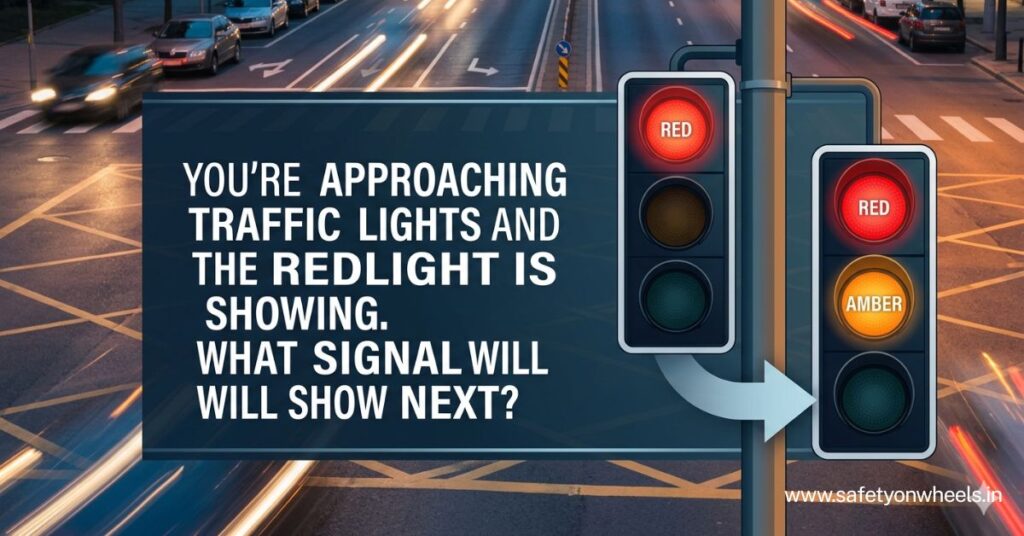
Traffic lights are one of the most fundamental parts of driving, yet they still create confusion—especially in theory tests and real-world scenarios. A simple question like “you’re approaching traffic lights and the red light is showing. what signal will show next?” can trip up even experienced drivers if they rely on assumptions instead of understanding the system.
In this blog guide, we’ll break down the correct answer, explain the full signal sequence, and show how to respond safely and confidently at every stage.
You’re Approaching Traffic Lights and the Red Light Is Showing. What Signal Will Show Next?
Let’s answer this clearly.
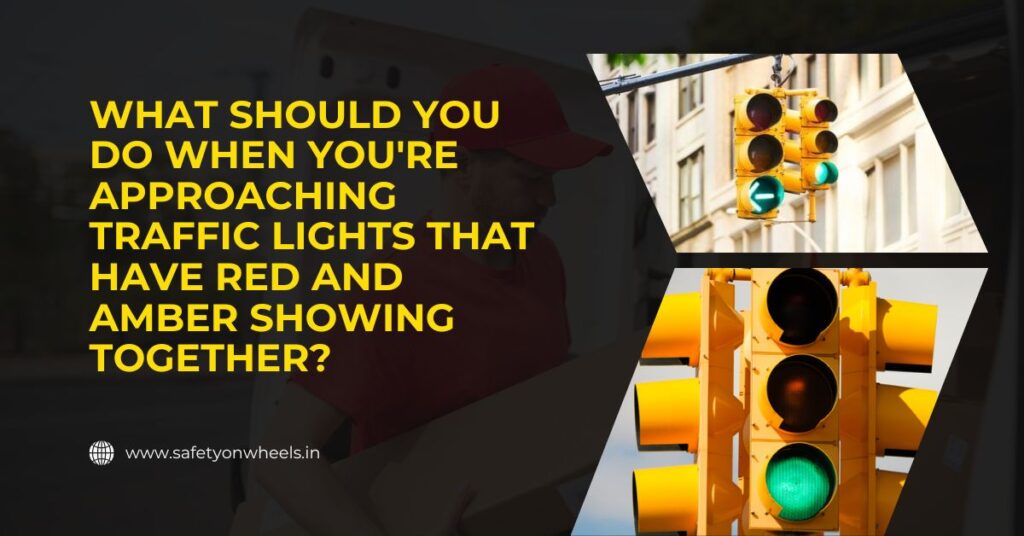
When a red light is showing, the next signal will be red and amber together (in standard traffic light systems such as the UK).
This combined signal indicates that:
- The lights are about to change
- You should prepare to move
- You must still remain stopped until green appears
Why This Step Exists
The red + amber phase gives drivers a moment to:
- Prepare mentally
- Engage the gear (in manual vehicles)
- Check surroundings
It ensures a smoother and safer transition into movement.
Also read: What Are The Three Basic Steps In The Nsc Collision Prevention Formula?
Understanding the Full Traffic Light Sequence
To fully understand what comes next, you need to see the bigger picture.
Standard Traffic Light Order
In most structured systems (like the UK), the sequence follows this pattern:
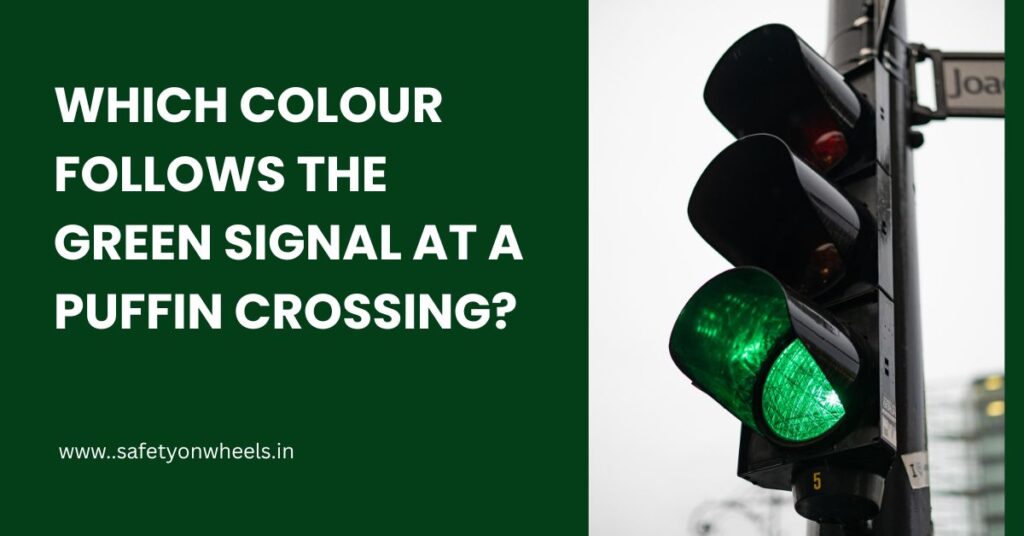
- Red
- Red + Amber
- Green
- Amber
- Red
Why the Sequence Matters?
Each stage serves a purpose:
- Red → Stop and wait
- Red + Amber → Prepare
- Green → Go if safe
- Amber → Prepare to stop
This structured flow reduces confusion and improves traffic safety.
What Drivers Should Do at Each Stage?
Knowing the sequence is one thing—responding correctly is what truly matters.
Red Light: Complete Stop
When the light is red:
- You must stop completely
- Stay behind the stop line
- Remain alert
Red and Amber Together: Get Ready
This is a preparation phase.
You should:
- Check mirrors
- Look for pedestrians
- Prepare to move
But do NOT move yet.
Green Light: Proceed Carefully
Green doesn’t mean “go blindly.”
You should:
- Check the intersection
- Watch for late-moving vehicles
- Proceed only when it’s safe
Amber Light: Prepare to Stop
Amber signals the end of the green phase.
You must stop unless:
- You are too close to stop safely
Why Red and Amber Together Is Important?
This stage often gets overlooked, but it plays a key role.
Preventing Sudden Starts
Without a warning phase, drivers might:
- Accelerate too quickly
- React unpredictably
Improving Traffic Flow
The brief pause helps synchronize movement across lanes.
Supporting Manual Drivers
Drivers using manual transmission benefit from:
- Time to engage gears
- Smooth acceleration
Differences in Traffic Light Systems Worldwide
Not all countries use the same sequence.
UK vs Other Countries
In the UK:
- Red → Red + Amber → Green
In many other countries (like the US):
- Red → Green (no red + amber phase)
Why This Difference Exists
Different systems evolved based on:
- Traffic conditions
- Driving habits
- Infrastructure design
What This Means for Drivers
If you drive internationally:
Always learn the local signal sequence.
Common Mistakes Drivers Make
Even simple signals can lead to errors.
Moving Too Early
Some drivers start moving during red + amber.
This is incorrect and unsafe.
Ignoring Surroundings
Focusing only on the signal can be risky.
Always check:
- Pedestrians
- Cyclists
- Other vehicles
Treating Green as a Guarantee
Green means “go if safe,” not “go no matter what.”
Real-Life Driving Scenario
Let’s apply this to a practical situation.
Scenario: Waiting at an Intersection
You’re stopped at a red light.
- The light changes to red + amber
- You prepare by checking mirrors
- The light turns green
- You move forward safely
What Could Go Wrong?
If you:
- Move too early → risk a fine or accident
- Don’t check surroundings → risk collision
Small mistakes can have serious consequences.
How Traffic Light Timing Improves Safety
Traffic systems are designed with precision.
Controlled Flow of Vehicles
Lights regulate movement across:
- Intersections
- Pedestrian crossings
Reduced Collision Risk
Clear sequences reduce:
- Confusion
- Sudden decisions
Better Coordination
Signals are often synchronized to improve traffic flow.
Practical Tips for Handling Traffic Lights Confidently
Building good habits makes a big difference.
Stay Alert at All Times
Don’t assume the next signal—observe it.
Anticipate Changes
If the light has been red for a while, be ready for red + amber.
Keep a Safe Distance
Maintain space from the vehicle ahead.
Avoid Distractions
Even a moment of distraction can cause you to miss a signal change.
Why Understanding Signal Sequences Matters?
Knowing what comes next helps you:
- React smoothly
- Avoid sudden movements
- Drive more confidently
It’s Not Just About Passing Tests
This knowledge applies to real-world driving every day.
It Builds Safer Driving Habits
Predictability is one of the most important aspects of safe driving.
Also read: What Are Some Reasons Why Ancient People Created Short Stories
Final Thoughts
Understanding you’re approaching traffic lights and the red light is showing. what signal will show next? is more than just memorizing a sequence—it’s about recognizing how traffic systems are designed to keep everyone safe and moving efficiently. The transition from red to red and amber gives you a crucial moment to prepare, ensuring that movement begins in a controlled and predictable way. When you combine this knowledge with awareness of your surroundings and disciplined driving habits, you create a safer environment not just for yourself, but for every road user around you. In the end, confident driving comes from understanding the “why” behind the rules, not just the rules themselves.