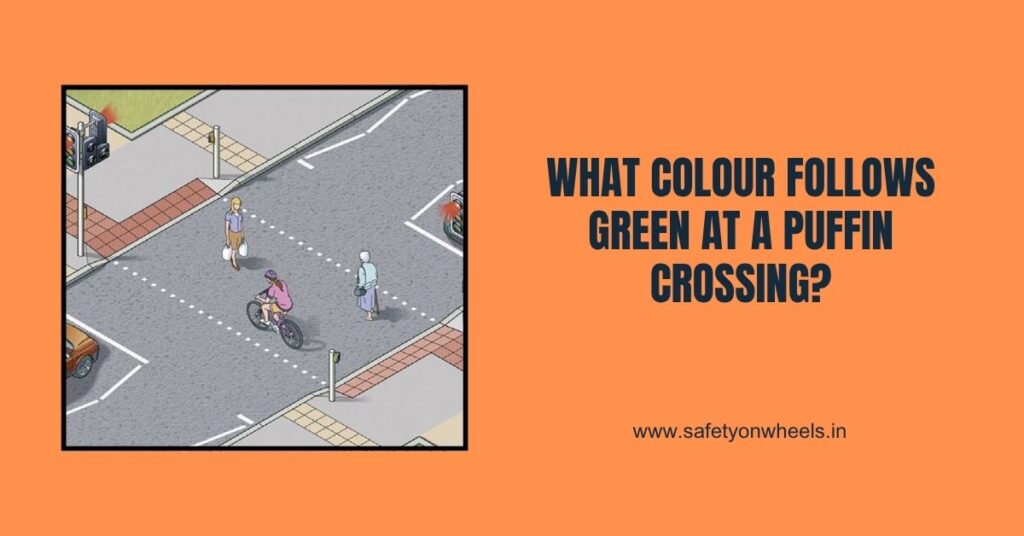
Road signs and signals are designed to be simple, but certain scenarios can still confuse drivers—especially when they involve less common systems like puffin crossings. If you’ve ever paused at a crossing wondering what comes next after a green signal, you’re not alone.
So, what colour follows green at a puffin crossing? It’s a straightforward answer, but understanding the logic behind it can make you a more confident and safer driver.
In this blog guide, we’ll break down the signal sequence, explain how puffin crossings work, and show you exactly what actions you should take at each stage.
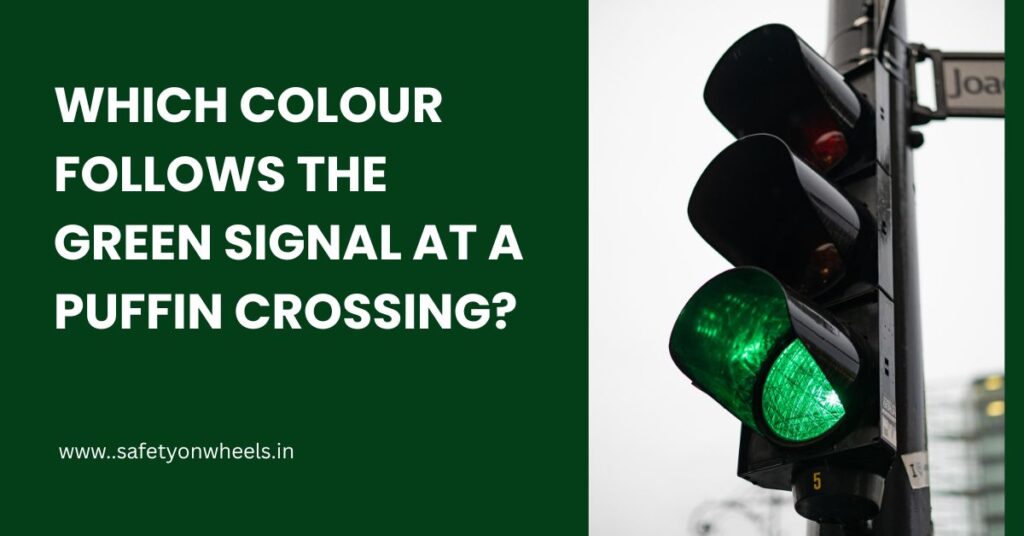
What Colour Follows Green at a Puffin Crossing?
Let’s answer the key question clearly.
At a puffin crossing, the colour that follows green is steady amber.
This sequence is slightly different from what many drivers expect, especially those used to standard traffic lights.
Why This Matters
The amber light acts as a transition signal. It tells drivers that:
- The green phase is ending
- You should prepare to stop
- You must stop unless it is unsafe to do so
Understanding this transition helps you respond smoothly and avoid sudden braking.
Also read: Why Should You Allow Extra Room While Overtaking A Motorcyclist On A Windy Day?
Understanding How a Puffin Crossing Works?
To fully understand the signal sequence, it helps to know what makes a puffin crossing unique.
What Is a Puffin Crossing?
“Puffin” stands for Pedestrian User-Friendly Intelligent Crossing.
Unlike traditional crossings, puffin crossings use sensors to detect pedestrians and adjust signal timing accordingly.
Key Features of Puffin Crossings
These crossings are designed with safety and efficiency in mind.
They include:
- Pedestrian detection sensors
- Signals positioned on the same side of the road
- Adaptive timing based on pedestrian movement
Why Puffin Crossings Are Different?
Unlike older systems, puffin crossings respond dynamically.
This means the signal sequence may feel slightly different, but it is designed to improve safety for both drivers and pedestrians.
The Full Signal Sequence Explained
Understanding the complete sequence helps you anticipate what’s coming next.
Green Light: Proceed With Caution
When the light is green:
- You may continue driving
- You should remain alert for pedestrians
Steady Amber: Prepare to Stop
After green, the signal changes to steady amber.
At this stage:
- You should stop if it is safe to do so
- If stopping suddenly would cause danger, you may proceed
Red Light: Stop Completely
Once the signal turns red:
- You must stop
- Pedestrians are likely crossing
Flashing Amber (After Red)
This is where puffin crossings differ slightly.
After red, the light changes to flashing amber.
During this phase:
- You may proceed if the crossing is clear
- You must give way to pedestrians still crossing
Why the Amber Light Is Important?
The amber phase plays a critical role in safe driving.
Preventing Sudden Stops
Without an amber phase, drivers would have to react instantly to a red signal.
The amber light provides:
- A warning period
- Time to slow down smoothly
Supporting Better Decision-Making
Drivers can assess:
- Distance from the crossing
- Speed
- Traffic conditions
This helps avoid abrupt or unsafe maneuvers.
Common Misunderstandings About Puffin Crossing Signals
Even experienced drivers sometimes misinterpret these signals.
Confusing Amber With Red
Some drivers treat amber as an immediate stop signal.
While stopping is usually required, you are allowed to proceed if stopping would be unsafe.
Ignoring Flashing Amber Rules
Many drivers think flashing amber means full priority.
In reality, pedestrians still have priority if they are on the crossing.
Expecting a Fixed Timing Pattern
Because puffin crossings use sensors, timing may vary.
This can confuse drivers who expect a predictable sequence.
How Puffin Crossings Improve Road Safety?
These crossings are designed with modern traffic conditions in mind.
Pedestrian Detection Technology
Sensors monitor whether pedestrians are still crossing.
This ensures:
- Signals stay red long enough
- Vulnerable users are protected
Reduced Unnecessary Waiting
If no pedestrians are present, the system adjusts timing to reduce delays for drivers.
Better Visibility for Pedestrians
Signals are positioned so pedestrians can easily monitor them without turning around.
What Drivers Should Do at Each Stage?
Knowing the signals is one thing—responding correctly is another.
When the Light Is Green
- Continue driving
- Stay alert for changes
When It Turns Amber
- Assess whether you can stop safely
- Begin slowing down if possible
When It Turns Red
- Stop completely
- Wait patiently
During Flashing Amber
- Check if pedestrians are still crossing
- Proceed only when the crossing is clear
Real-Life Driving Scenarios
Let’s apply this knowledge to everyday situations.
Approaching at Speed
If you’re close to the crossing when the light turns amber:
It may be safer to continue rather than brake suddenly.
Heavy Traffic Conditions
In slow-moving traffic, always be prepared for sudden signal changes.
Night or Poor Visibility
Signals may be harder to see.
Reduce speed and stay alert.
Tips to Handle Puffin Crossings Confidently
Building good habits makes these situations easier.
Stay Observant
Watch both signals and pedestrian movement.
Avoid Distractions
Even a brief distraction can cause you to miss a signal change.
Anticipate Changes
If pedestrians are waiting, expect the signal to change soon.
Keep a Safe Speed
Driving at a controlled speed gives you more time to react.
Why This Knowledge Matters?
Understanding signal sequences isn’t just about passing a driving test—it’s about real-world safety.
When you respond correctly:
- You reduce accident risk
- You protect pedestrians
- You drive more confidently
Small details like knowing what follows green can make a big difference.
Also read: What is The Relationship Between Sociology and Education?
Final Thoughts
Understanding what colour follows green at a puffin crossing may seem like a small detail, but it reflects a larger principle of attentive and informed driving. The transition from green to steady amber is designed to give you just enough time to react safely, balancing the needs of both drivers and pedestrians. Puffin crossings, with their intelligent systems and adaptive timing, rely on drivers making thoughtful decisions rather than automatic reactions. When you approach these crossings with awareness—observing signals, anticipating changes, and responding calmly—you not only follow the rules but also contribute to a safer road environment for everyone. In the end, confident driving comes from understanding the purpose behind each signal, not just memorizing the sequence.