Accidents happen without warning. One moment everything feels normal, and the next, you’re standing in a situation where someone needs help—possibly urgent help. In those moments, your actions matter more than you might think.
Many people hesitate because they’re unsure what to do. That’s completely natural. But knowing what could you do to help injured people at an incident can make the difference between panic and purposeful action.
This blog guide will walk you through clear, practical steps to help injured individuals safely and responsibly, even if you’re not medically trained.
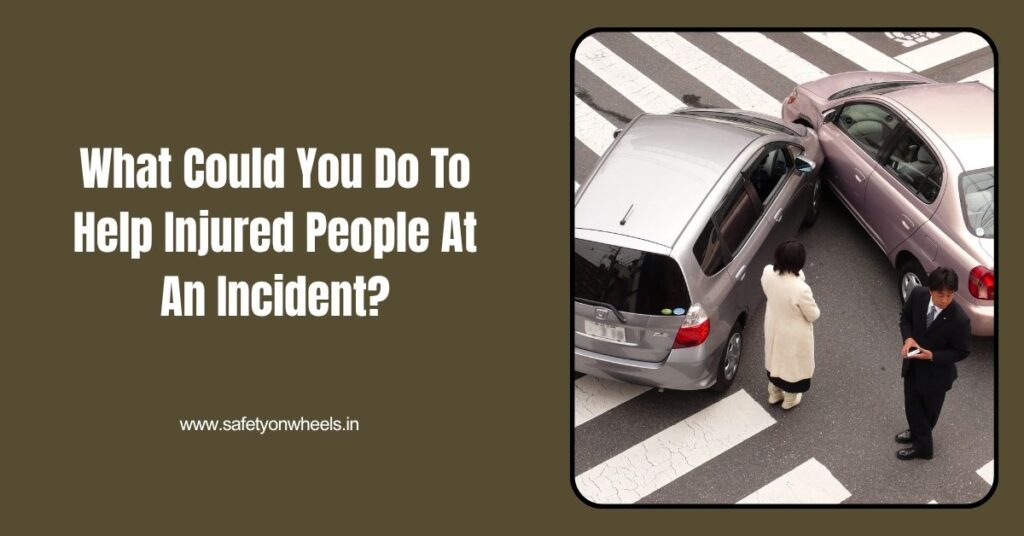
What Could You Do to Help Injured People at an Incident?
Let’s start with the core idea.
You should ensure safety, call emergency services, assess the injured person, and provide basic assistance without causing further harm.
This approach focuses on three priorities:
- Protecting yourself and others
- Getting professional help quickly
- Providing simple, safe support
You don’t need advanced medical skills to help. In many cases, calm and thoughtful actions are more valuable than complex interventions.
Also read: What Should You Do If You Park On The Road When It’s Foggy?
Step One: Ensure the Scene Is Safe
Before helping anyone, you must assess the situation around you.
Why Safety Comes First
If the environment is unsafe, you risk becoming another casualty. That helps no one.
Common hazards at incident scenes include:
- Moving traffic
- Fire or smoke
- Broken glass or debris
- Leaking fuel
How to Secure the Area
Start by making the scene as safe as possible.
- Turn on hazard lights if you’re in a vehicle
- Park at a safe distance
- Warn approaching traffic if needed
If the situation feels dangerous, keep your distance and wait for emergency responders.
Calling for Help: The Most Important Action
One of the most valuable things you can do is contact emergency services.
Provide Clear and Accurate Information
When calling, try to stay calm and share:
- Your exact location
- Number of injured people
- Type of injuries (if visible)
- Any immediate dangers
Why Quick Communication Matters
Emergency teams rely on your information to prepare before arriving. Accurate details can speed up response and improve outcomes.
Even if others are present, never assume someone else has already called.
Assessing the Injured Person Safely
Once the area is safe and help is on the way, you can focus on the injured person.
Check Responsiveness
Start by gently speaking to the person:
- Ask if they can hear you
- Look for movement or response
This helps you understand their condition without physical interference.
Look for Visible Injuries
Observe carefully without moving the person unnecessarily.
Focus on:
- Bleeding
- Breathing
- Consciousness
Avoid Rushing Into Action
It’s tempting to act quickly, but sudden or incorrect movements can worsen injuries, especially spinal injuries.
Providing Basic First Aid Without Risk
You don’t need to be a professional to offer meaningful help.
Managing Bleeding
If the person is bleeding:
- Apply gentle pressure using a clean cloth or bandage
- Keep pressure steady until help arrives
This simple action can significantly reduce blood loss.
Helping With Breathing
If the person is conscious but struggling:
- Help them sit or lie in a comfortable position
- Keep their airway clear
If they are unconscious but breathing, placing them in a recovery position may help—only if it’s safe to move them.
Keeping Them Warm and Calm
Shock is common after injuries.
You can help by:
- Covering them with a jacket or blanket
- Speaking calmly and reassuringly
Sometimes, emotional support is just as important as physical care.
When You Should Not Move the Injured Person?
This is one of the most critical points.
Risk of Spinal Injuries
Moving someone incorrectly can cause serious harm if they have:
- Neck injuries
- Back injuries
- Head trauma
When Movement Is Necessary
Only move the person if:
- There is immediate danger (fire, traffic, explosion risk)
- Staying in place is more dangerous than moving
In all other cases, keep them still and wait for professionals.
Communicating Effectively With the Injured Person
Your words and tone can have a powerful impact.
Stay Calm and Reassuring
Even if the situation feels stressful, your calmness helps the injured person feel safer.
Keep Them Informed
Let them know:
- Help is on the way
- They are not alone
Avoid Giving False Assurances
Be honest but supportive. Avoid saying things you’re unsure about.
Managing the Crowd and Environment
In many incidents, multiple people gather quickly.
Prevent Overcrowding
Too many people can:
- Block access for emergency services
- Increase confusion
- Add stress for the injured
Assign Simple Roles if Needed
If others are present, you can guide them:
- Ask someone to call emergency services
- Request help in directing traffic
- Have someone bring basic supplies
Clear direction improves efficiency.
Common Mistakes People Make at Incident Scenes
Understanding mistakes helps you avoid them.
Acting Without Assessing the Situation
Jumping in without checking safety can create more harm.
Moving the Injured Person Unnecessarily
This is one of the most dangerous mistakes.
Ignoring Emergency Services
Delaying the call for help reduces the chances of timely medical care.
Panicking
Panic leads to poor decisions. Staying calm is your strongest tool.
Practical Preparation: Be Ready Before an Incident Happens
The best time to prepare is before you need to act.
Learn Basic First Aid
Even a short course can improve your confidence and ability to help.
Keep an Emergency Kit in Your Vehicle
A simple kit may include:
- Bandages
- Gloves
- Antiseptic wipes
- A flashlight
Stay Aware While Driving
Being alert reduces the chances of accidents and prepares you to respond if one occurs.
The Human Side of Helping
Helping someone in an emergency is not just about technique—it’s about compassion.
Small Actions Make a Big Difference
Holding someone’s hand, speaking calmly, or simply staying with them can provide comfort during a frightening moment.
Confidence Comes From Awareness
You don’t need to be perfect. You just need to act responsibly and thoughtfully.
Also read: Master’s Research Topics in Public Administration
Final Thoughts
Understanding what could you do to help injured people at an incident is ultimately about being prepared to respond with calm, clarity, and care when it matters most. You don’t need advanced medical knowledge to make a meaningful difference—ensuring safety, calling for help, and offering basic support are often the most important actions you can take.
In those critical moments, your ability to stay composed and act responsibly can provide both physical assistance and emotional reassurance to someone in need. Emergencies are unpredictable, but your response doesn’t have to be. By building awareness and confidence now, you equip yourself to handle real-life situations with responsibility and humanity when they arise.