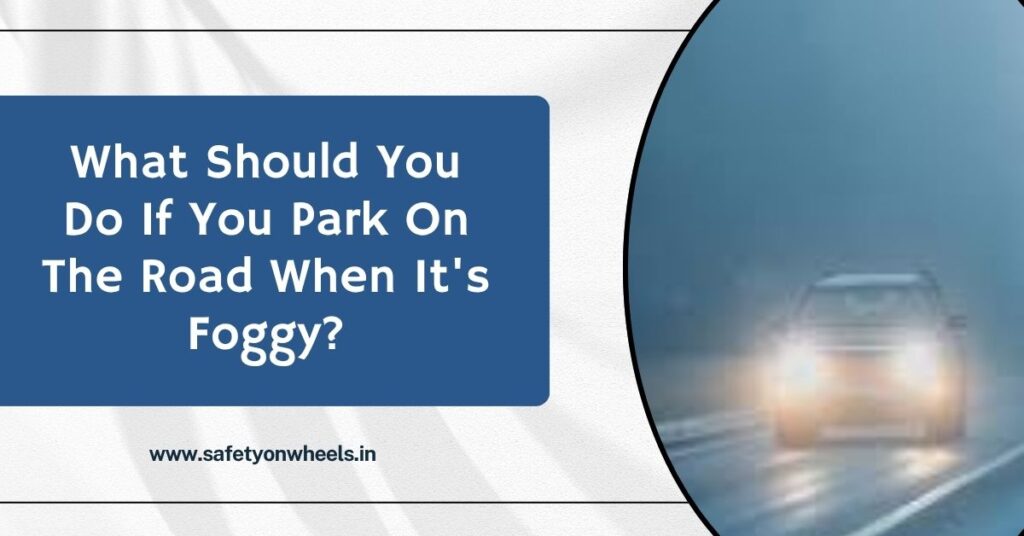
Fog changes everything about driving—and parking is no exception. Reduced visibility, slower reaction times, and unpredictable road behavior make even a stationary vehicle a potential hazard.
Many drivers focus on how to drive in fog but overlook an equally important question: what should you do if you park on the road when it’s foggy? The answer involves more than just pulling over safely—it requires visibility, positioning, and awareness of how other drivers perceive your vehicle.
In this guide, we’ll walk through exactly what to do, why it matters, and how to ensure your parked vehicle doesn’t become a danger in low-visibility conditions.
What Should You Do If You Park on the Road When It’s Foggy?
Let’s start with the essential answer.
If you must park on the road in foggy conditions, you should make your vehicle as visible as possible, position it safely away from traffic, and use appropriate lighting to alert other drivers.
This means focusing on three key priorities:
- Visibility
- Positioning
- Awareness
Fog reduces visibility drastically—sometimes to less than 50 meters—so your parked car must stand out clearly to approaching drivers.
Also read: How Frequently Should You Take Breaks When Driving Long Distances?
Why Parking in Fog Can Be Dangerous?
Parking in fog isn’t just inconvenient—it can be risky if not handled properly.
Reduced Visibility for Other Drivers
In foggy conditions, drivers often see obstacles only at the last moment. A parked vehicle without proper visibility can appear suddenly, leaving little time to react.
Increased Stopping Distance
Fog often comes with damp or slippery roads. Combined with reduced visibility, this increases the distance required to stop safely.
Misjudgment of Distance and Speed
Fog distorts perception. Drivers may:
- Misjudge how far away your car is
- Underestimate their speed
- React too late
This makes proper parking precautions essential.
Choosing the Safest Place to Park
Where you park matters just as much as how you park.
Move Off the Road Whenever Possible
The safest option is to avoid parking on the road entirely.
Look for:
- Parking lots
- Lay-bys
- Side streets
- Designated parking areas
The goal is to remove your vehicle from the main traffic flow.
Avoid High-Speed Roads
Parking on highways or fast-moving roads in fog is particularly dangerous.
If you must stop, try to:
- Exit the main road
- Use emergency stopping areas
Stay Away From Curves and Hills
Visibility is even worse on bends and slopes.
Drivers approaching these areas have less time to see and react to your vehicle.
Making Your Vehicle Visible in Fog
Visibility is your biggest responsibility when parking in fog.
Use Hazard Warning Lights
Hazard lights signal that your vehicle is stationary and requires attention.
They are especially important in low-visibility conditions.
Turn On Parking Lights or Low Beams
In addition to hazard lights, keep your parking lights or low beams on.
Avoid high beams—they reflect off fog and reduce visibility.
Use Fog Lights If Available
Fog lights are designed to cut through mist and improve visibility for other drivers.
Keep Lights Clean and Functional
Dirty or dim lights reduce effectiveness. Make sure your lights are clearly visible.
Positioning Your Vehicle Correctly
Good positioning reduces risk significantly.
Park as Far Off the Road as Possible
Even a small distance away from the traffic lane can make a big difference.
Align Your Vehicle Properly
Avoid angles that may confuse approaching drivers.
Keep your car parallel to the road and predictable in appearance.
Avoid Blocking Traffic or Shoulders
Blocking even a small part of the lane can create danger, especially when visibility is low.
Additional Safety Measures You Should Consider
Beyond basic precautions, a few extra steps can improve safety.
Use Reflective Warning Devices
If you have reflective triangles or cones, place them behind your vehicle.
This gives approaching drivers an earlier warning.
Exit the Vehicle Safely
If it’s necessary to step out:
- Wear reflective clothing if available
- Stay away from the road
- Be aware of approaching traffic
Stay Inside the Vehicle When Possible
In many cases, staying inside with seatbelts fastened is safer than standing near traffic.
Common Mistakes Drivers Make in Foggy Parking Situations
Even experienced drivers sometimes overlook key safety steps.
Not Using Lights Properly
Some drivers turn off lights completely, making their vehicle nearly invisible.
Parking Too Close to Traffic
Stopping partially on the road increases the risk of collisions.
Relying Only on Hazard Lights
Hazard lights are important, but they work best when combined with other lighting.
Ignoring Surroundings
Failing to consider road layout, curves, or traffic speed can lead to poor parking decisions.
What to Do If You’re Forced to Stop Suddenly in Fog?
Sometimes, you don’t have the luxury of choosing the perfect spot.
Gradually Slow Down
Avoid sudden braking. Signal your intention early.
Move to the Side Safely
Pull over as far as possible without losing control.
Activate Hazard Lights Immediately
Alert other drivers as soon as you stop.
Assess Your Situation
Decide whether it’s safer to remain in the car or move to a safer location.
How Fog Affects Driver Behavior Around You?
Understanding how other drivers react in fog helps you make better decisions.
Slower Reaction Times
Drivers may take longer to notice and respond to your parked vehicle.
Increased Stress and Uncertainty
Fog creates tension, leading to unpredictable driving behavior.
Limited Peripheral Vision
Drivers focus more narrowly, which can delay noticing parked vehicles.
Practical Tips to Stay Safe in Foggy Conditions
Building good habits makes all the difference.
Plan Ahead
Check weather conditions before your journey.
Avoid Unnecessary Stops
If possible, continue driving to a safer location before stopping.
Keep Emergency Equipment Ready
Items like reflective triangles, flashlights, and high-visibility vests can be lifesavers.
Stay Calm and Alert
Panic leads to poor decisions. Take a moment to assess and act carefully.
Why This Knowledge Matters?
Parking safely in fog is not just about protecting your car—it’s about protecting lives.
A poorly visible vehicle can:
- Cause sudden braking
- Lead to chain collisions
- Put both drivers and pedestrians at risk
By taking the right precautions, you reduce these risks significantly.
Also read: Agriculture Projects for Students
Final Thoughts
Understanding what should you do if you park on the road when it’s foggy comes down to one core principle: making your vehicle visible and predictable in an environment where visibility is naturally limited. Fog doesn’t just reduce what you can see—it affects how others see you, often giving them very little time to react.
By choosing the safest possible location, using proper lighting, and positioning your vehicle carefully, you turn a potentially dangerous situation into a controlled one. These small but critical actions ensure that your presence on the road remains clear to others, even in poor conditions. In the end, safe parking in fog isn’t about convenience—it’s about responsibility and awareness, and those are what keep everyone on the road protected.