If you’ve ever approached a pelican crossing and noticed a flashing amber light, you might have hesitated for a moment. Should you stop? Can you go? What if pedestrians are still crossing?
These split-second decisions matter more than you think.
So, what must you do when the amber light is flashing at a pelican crossing?
The correct answer is: you may proceed only if the crossing is clear. If pedestrians are still on the crossing, you must give way and wait.
Simple in theory—but in real-world driving, this situation often causes confusion. In this detailed guide, we’ll break down exactly what flashing amber means, why it exists, and how to respond safely and confidently every time.
Understanding Pelican Crossings
Before focusing on the amber light, it’s important to understand how pelican crossings work.
What Is a Pelican Crossing?
A pelican crossing (short for Pedestrian Light Controlled Crossing) is a type of pedestrian crossing that uses traffic signals to control both vehicles and pedestrians.
Unlike zebra crossings, pelican crossings include:
- Traffic lights for drivers
- Push-button controls for pedestrians
- Signal indicators like red, green, and flashing amber
Why They Exist
Pelican crossings aim to:
- Improve pedestrian safety
- Control traffic flow efficiently
- Reduce accidents in busy areas
They are commonly found in urban areas, near schools, and high-footfall zones.
Also read: When Parking Uphill Which Way To Turn Wheels
What Must You Do When the Amber Light Is Flashing at a Pelican Crossing?
Let’s address the main keyword directly: what must you do when the amber light is flashing at a pelican crossing?
The Rule Explained Clearly
When the amber light flashes:
- You may proceed—but only if the crossing is completely clear of pedestrians
- If pedestrians are still crossing, you must stop and give way
This rule prioritizes pedestrian safety while allowing traffic to resume smoothly when safe.
Why This Rule Exists
The flashing amber phase acts as a transition:
- It signals that the red light phase is ending
- It allows drivers to prepare to move
- It ensures pedestrians still have priority if they are on the crossing
It’s a balance between safety and efficiency.
Breaking Down the Traffic Light Sequence
To fully understand the flashing amber light, you need to see where it fits in the sequence.
Standard Pelican Crossing Signal Order
- Green Light (Vehicles)
- Traffic flows normally
- Amber Light (Steady)
- Prepare to stop
- Red Light
- Stop completely
- Pedestrians begin crossing
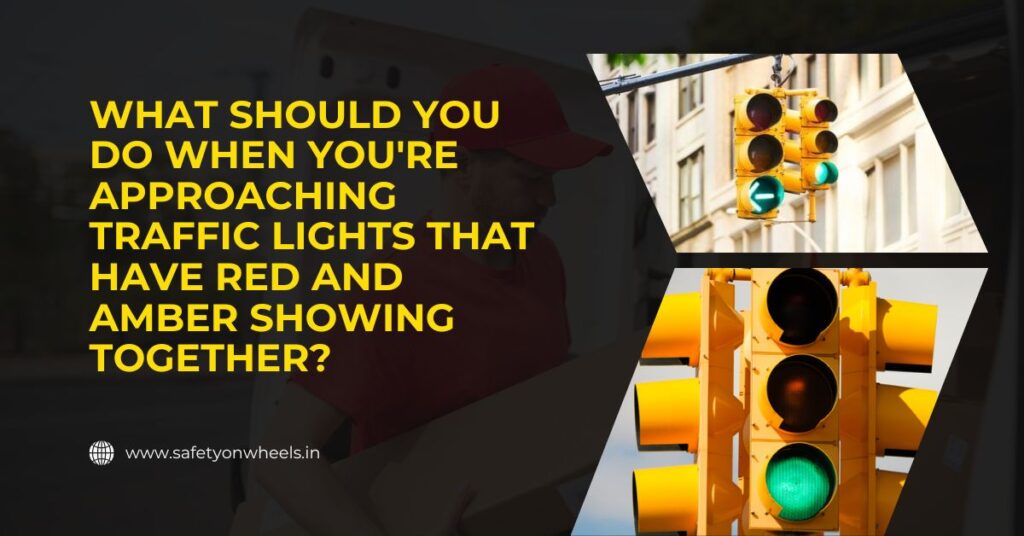
- Flashing Green Man (Pedestrians) + Flashing Amber (Vehicles)
- Pedestrians should finish crossing
- Drivers may proceed if the crossing is clear
This final stage is where most confusion happens.
Driver Responsibilities During Flashing Amber
Let’s look at what responsible driving looks like in this situation.
Always Check for Pedestrians First
Before moving:
- Look both ways
- Check the entire crossing
- Watch for late pedestrians
Even one person still crossing means you must wait.
Move Only When Safe
If the crossing is clear:
- Proceed slowly
- Stay alert
- Be prepared to stop again if needed
Rushing defeats the purpose of the system.
Be Patient, Not Predictive
Never assume pedestrians will clear the crossing quickly.
Some may:
- Walk slowly
- Change direction
- Hesitate midway
Your job is to respond—not predict.
Common Mistakes Drivers Make
Even experienced drivers sometimes get this wrong.
Treating Flashing Amber Like Green
This is the most common mistake.
Flashing amber does not mean “go freely.”
Ignoring Pedestrians Still Crossing
Some drivers focus only on the light and forget the people.
That’s dangerous—and illegal in many regions.
Accelerating Too Quickly
Even when the crossing is clear, sudden acceleration can be risky.
Always move off smoothly.
The Safety Impact of Following This Rule
This isn’t just about passing a driving test—it’s about real-world safety.
Reducing Pedestrian Accidents
Pedestrians are vulnerable road users.
Giving them priority reduces collision risks significantly.
Improving Traffic Flow
The flashing amber phase prevents unnecessary delays.
Drivers can move as soon as it’s safe.
Building Safer Driving Habits
Following this rule improves:
- Awareness
- Reaction time
- Decision-making
Differences Between Pelican and Other Crossings
Understanding other crossing types helps avoid confusion.
Zebra Crossings
- No traffic lights
- Drivers must always give way to pedestrians
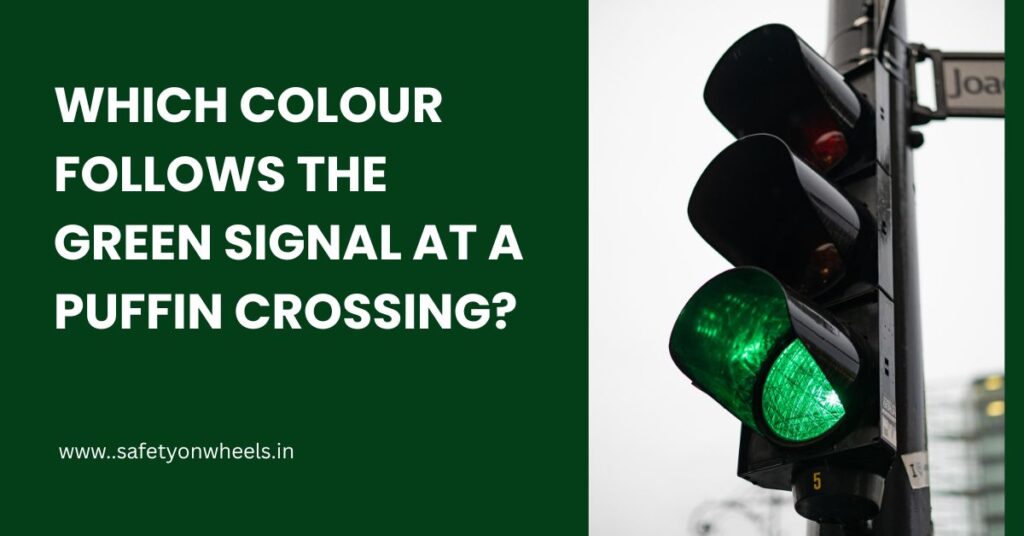
Puffin Crossings
- Sensors detect pedestrians
- No flashing amber phase
Toucan Crossings
- Used by pedestrians and cyclists
- Similar signals but different usage rules
Each crossing type has its own rules, so awareness matters.
Real-Life Scenarios and How to Handle Them
Let’s apply this knowledge to practical situations
Scenario 1: Pedestrian Almost Finished Crossing
Even if they’re just one step away—wait.
Safety comes first.
Scenario 2: Empty Crossing During Flashing Amber
You may proceed—but stay cautious.
Someone could step onto the crossing unexpectedly.
Scenario 3: Multiple Pedestrians Moving Slowly
Be patient.
Rushing in this situation increases risk significantly.
Legal Implications of Ignoring the Rule
Failing to follow this rule can have consequences.
Possible Penalties
Depending on the region, you may face:
- Fines
- Penalty points
- Increased insurance costs
Liability in Accidents
If you hit a pedestrian during flashing amber:
- You are likely at fault
- Legal consequences can be severe
Tips to Handle Pelican Crossings Confidently
A few simple habits can make a big difference.
Stay Alert Near Crossings
Always anticipate pedestrian activity.
Reduce Speed Early
Approach crossings at a controlled speed.
Watch Pedestrian Signals
The flashing green man indicates pedestrians may still be crossing.
Why This Topic Matters for New and Experienced Drivers?
Understanding what must you do when the amber light is flashing at a pelican crossing is essential for all drivers.
For New Drivers
- Helps pass driving tests
- Builds strong safety habits
For Experienced Drivers
- Prevents complacency
- Reinforces good practices
Even seasoned drivers benefit from revisiting these rules.
The Role of Awareness in Road Safety
Driving isn’t just about controlling a vehicle—it’s about awareness.
Reading the Environment
Good drivers:
- Observe surroundings
- Anticipate risks
- React calmly
Respecting Pedestrians
Pedestrians always deserve priority in vulnerable situations.
Also read: Why is the Pledge of Allegiance Said in Schools
Final Thoughts
Knowing what must you do when the amber light is flashing at a pelican crossing is a fundamental part of safe driving. When the amber light flashes, you may proceed only if the crossing is completely clear. If pedestrians are still crossing, you must stop and give way. This simple rule protects lives, reduces accidents, and ensures smoother traffic flow. While it may seem like a small detail, it reflects a driver’s awareness, responsibility, and respect for others on the road. In the end, safe driving isn’t just about following rules—it’s about making thoughtful decisions in every moment behind the wheel.