Most drivers know they should maintain their vehicles regularly—but not everyone fully understands why it matters so much. For many, inspections feel like just another task on a long to-do list. But in reality, they are one of the most important responsibilities of vehicle ownership.
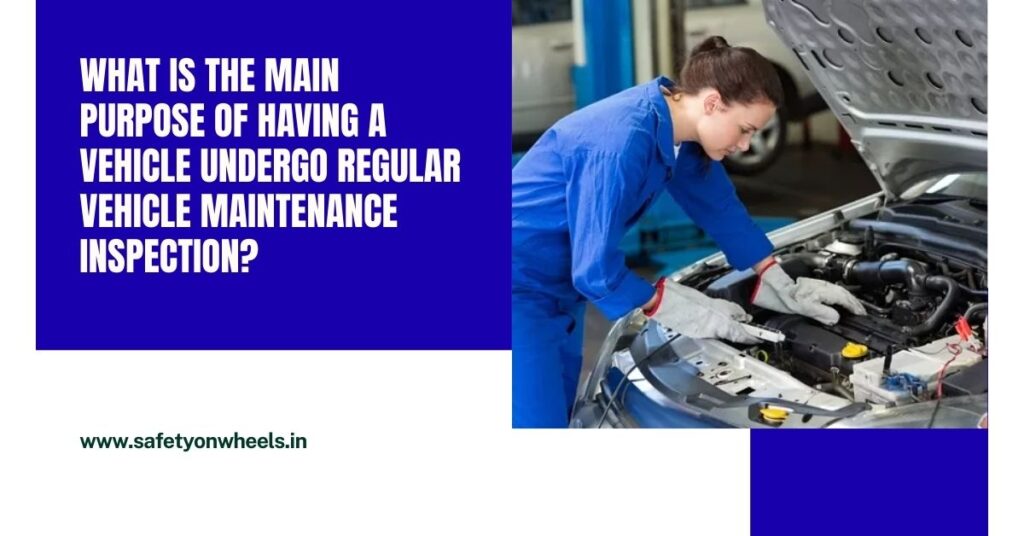
So, what is the main purpose of having a vehicle undergo regular vehicle maintenance inspection?
The simple answer: to ensure safety, reliability, efficiency, and long-term cost savings by identifying and fixing issues before they become serious problems.
In this comprehensive guide, we’ll explore the real purpose behind regular inspections, what they involve, and why skipping them can cost you far more than time or money.
Understanding Vehicle Maintenance Inspections
Before we dive into the purpose, let’s clarify what a maintenance inspection actually includes.
What Is a Vehicle Maintenance Inspection?
A vehicle maintenance inspection is a routine check-up where a trained technician examines key components of your vehicle to ensure they are functioning properly.
These inspections typically cover:
- Brakes and braking system
- Tyres and wheel alignment
- Engine performance
- Fluid levels (oil, coolant, brake fluid)
- Lights and electrical systems
How Often Should Inspections Be Done?
Most experts recommend:
- Basic checks every few months
- Full inspections at least once a year
- Additional checks before long trips
Regularity is key—skipping inspections defeats their purpose.
Also read: Can A Driver Use A Photocopy Of Driver’s License While Driving?
What Is The Main Purpose Of Having A Vehicle Undergo Regular Vehicle Maintenance Inspection?
Let’s directly address the main keyword: what is the main purpose of having a vehicle undergo regular vehicle maintenance inspection?
Ensuring Road Safety
The primary purpose is safety—both for you and others on the road.
Regular inspections help identify:
- Worn-out brake pads
- Damaged tyres
- Faulty lights
These issues can cause accidents if left unchecked.
Preventing Unexpected Breakdowns
No one enjoys being stranded on the roadside.
Routine inspections detect problems early, such as:
- Engine issues
- Battery failures
- Cooling system faults
Fixing these early prevents sudden breakdowns.
Maintaining Vehicle Performance
A well-maintained vehicle runs smoother and responds better.
Inspections ensure:
- Efficient engine operation
- Proper fuel combustion
- Smooth steering and handling
Key Components Checked During Inspections
Understanding what gets inspected helps you appreciate the process.
Braking System
Why It Matters
Your brakes are your first line of defense.
What Is Checked
- Brake pads and discs
- Brake fluid levels
- Response time
Tyres and Wheels
Importance of Tyres
Tyres affect grip, stability, and stopping distance.
Inspection Focus
- Tread depth
- Air pressure
- Alignment and balance
Engine and Fluids
Engine Health
The engine is the heart of your vehicle.
Fluid Checks Include
- Engine oil
- Coolant
- Transmission fluid
Proper fluid levels prevent overheating and wear.
How Regular Inspections Save Money?
Many drivers skip inspections to save money—but that often backfires.
Early Problem Detection
Small issues are cheaper to fix than major failures.
For example:
- Replacing brake pads costs far less than repairing damaged discs
Improved Fuel Efficiency
Well-maintained vehicles consume less fuel.
Studies suggest that proper maintenance can improve fuel efficiency by up to 10–15%.
Avoiding Expensive Repairs
Ignoring minor issues can lead to:
- Engine damage
- Transmission failure
- Complete system breakdown
Regular inspections reduce these risks significantly.
The Role of Inspections in Vehicle Longevity
A vehicle is a long-term investment.
Extending Vehicle Lifespan
Regular maintenance helps your vehicle last longer.
Proper care can extend lifespan by several years.
Preserving Resale Value
A well-maintained vehicle:
- Looks better
- Performs better
- Commands a higher resale price
Maintenance records also build buyer confidence.
Legal and Compliance Benefits
In many regions, inspections are not just recommended—they are required.
Roadworthiness Standards
Authorities require vehicles to meet safety standards.
Regular inspections help ensure compliance.
Avoiding Penalties
Driving an unfit vehicle can lead to:
- Fines
- Penalties
- Registration issues
Staying compliant saves both money and hassle.
Environmental Impact of Regular Inspections
Vehicle maintenance isn’t just about performance—it also affects the environment.
Reduced Emissions
Properly maintained engines produce fewer harmful emissions.
Better Fuel Efficiency
Lower fuel consumption reduces your carbon footprint.
Preventing Fluid Leaks
Inspections detect leaks that could harm the environment.
Common Signs Your Vehicle Needs an Inspection
Even if you follow a schedule, your car may show warning signs.
Warning Indicators
Look out for:
- Unusual noises
- Vibrations while driving
- Dashboard warning lights
- Decreased fuel efficiency
Ignoring these signs can lead to bigger problems.
The Difference Between Inspection and Servicing
These terms are often used interchangeably—but they’re not the same.
Inspection
- Focuses on checking condition
- Identifies issues
Servicing
- Involves fixing or replacing parts
- Improves performance
Both are important and often go hand in hand.
Best Practices for Effective Vehicle Maintenance
Consistency makes all the difference.
Follow Manufacturer Guidelines
Always refer to your vehicle manual for maintenance schedules.
Keep Maintenance Records
Tracking inspections helps you:
- Stay organized
- Increase resale value
Choose Qualified Technicians
Professional inspections ensure accurate diagnosis and reliable repairs.
Why Skipping Inspections Is Risky?
Ignoring maintenance may save time today—but it creates bigger problems later.
Increased Safety Risks
Faulty components increase accident chances.
Higher Costs
Delayed repairs often cost significantly more.
Reduced Reliability
Your vehicle becomes less dependable over time.
How Technology Is Improving Vehicle Inspections?
Modern vehicles are smarter than ever.
Onboard Diagnostics (OBD)
Many cars now monitor their own systems and alert drivers to issues.
Digital Service Records
Maintenance history is easier to track and share.
Predictive Maintenance
Advanced systems can predict problems before they occur.
Why Understanding This Topic Builds Trust?
Knowing what is the main purpose of having a vehicle undergo regular vehicle maintenance inspection helps you make informed decisions.
Confidence in Your Vehicle
You drive with peace of mind knowing your car is in good condition.
Better Financial Planning
You avoid unexpected expenses.
Responsible Driving
Maintained vehicles contribute to safer roads for everyone.
Also read: What Factor Impacts a Change in the Quantity of a Product or Service?
Final Thoughts
Understanding what is the main purpose of having a vehicle undergo regular vehicle maintenance inspection is essential for every driver. Regular inspections ensure safety, improve performance, reduce long-term costs, and extend the life of your vehicle. They also help you stay compliant with legal requirements and reduce environmental impact. While it may seem like a routine task, regular maintenance is one of the smartest investments you can make as a vehicle owner. By staying proactive and consistent, you not only protect your car but also ensure a safer and more reliable driving experience every time you hit the road.